
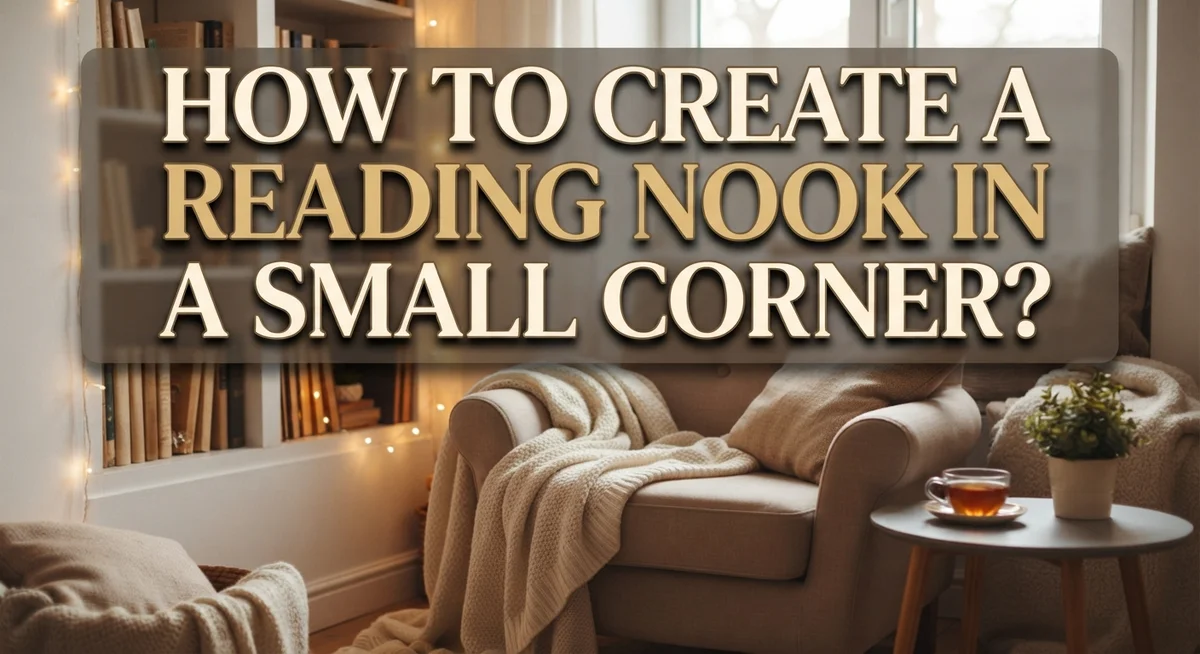
How to Create a Reading Nook in a Small Corner?
Do you have an empty corner that feels forgotten? That small space can become your favorite spot in the house. You don’t need a big window or a fancy alcove to make it work.
Any quiet corner can turn into a cozy reading nook. All you need is some planning and a few key pieces. This guide shows you exactly how to do it.
We’ll walk you through measuring your space first. This step saves you from buying furniture that doesn’t fit. You’ll also learn about seating options like storage benches or comfy chairs.
Lighting matters too. A small floor lamp can make your nook feel warm and inviting. We’ll cover how to add rugs, shelves, and decorative touches without cluttering the space.
By the end of this article, you’ll know how to create a functional and beautiful reading nook. Even in the tightest corner, you can build a spot that feels like your own little escape. Let’s get started.
In a Nutshell
Here’s a quick summary to help you get started fast.
-
Measure your space first. This step comes before buying any furniture. Most nooks fit in about 38 inches wide and 78 inches long.
-
Pick comfortable seating. A storage bench with an upholstered back works great. A cozy chair or lounger also fits well.
-
Add proper lighting. A small floor lamp brightens your nook without taking up much room. Good light makes reading easier.
-
Layer in a rug. A soft rug adds warmth and comfort. It also defines your reading space clearly.
-
Include storage for books. A small bookshelf or utility cart keeps your favorite reads close by. This keeps your nook organized and tidy.
-
Add personal touches. Plants, vases, or small sculptures bring your nook to life. Keep decor simple to avoid clutter.
Remember, you don’t need a window or a big space. Any small corner works well with the right pieces. Just avoid overcrowding and always measure before you shop.
What Makes a Great Reading Nook
A great reading nook combines comfort, function, and atmosphere. The best nooks feel like a personal retreat where you actually want to spend time reading.
Comfort is your foundation. You need seating that supports your body during long reading sessions. A chair with good back support, a cushioned bench, or a small lounger all work well. Your seat should let you sit for hours without feeling stiff or sore. Add cushions or pillows to increase softness and support.
Lighting makes a real difference. Poor lighting strains your eyes and ruins the reading experience. A small floor lamp positioned near your seat provides focused light without overwhelming the space. The lamp should illuminate your book without casting shadows on the pages. Soft, warm light feels more inviting than harsh bright light.
Storage keeps things organized. A reading nook works best when your books stay within arm’s reach. A small bookshelf, wall mounted shelves, or a utility cart all store books efficiently. You’ll actually use your nook more often when you don’t have to walk across the room for your next book.
Atmosphere creates the magic. A soft rug under your feet adds warmth and defines the space. Plants bring life and freshness to your corner. Small decorative objects like vases or sculptures add personality. These touches transform a plain corner into an inviting retreat.
Temperature and privacy matter too. Your nook should feel slightly cooler than the rest of your home. A blanket nearby lets you adjust warmth as needed. Position your nook away from high traffic areas so interruptions stay minimal.
The best reading nooks feel intentional and welcoming. Every element serves a purpose while contributing to an overall sense of calm and comfort.
Measuring and Assessing Your Small Corner
Before you buy a single piece of furniture, you need to measure your corner. This step saves you money and prevents frustration later.
Start by measuring the width of your corner space. Use a tape measure and write down the exact number in inches. Most small reading nooks work well in spaces around 38 inches wide, but yours might be different.
Next, measure the length or depth of the space. Check how far the corner extends into the room. This measurement tells you how much seating depth you can accommodate. Write this number down too.
Measure the height of your walls. This matters because you’ll need to know if you can fit a tall bookshelf or if you should stick with shorter storage options. Take note of any baseboards or trim that might affect furniture placement.
Check for obstacles in your corner. Look for electrical outlets, heating vents, or window sills. These features limit where you can place your seating and lighting. Measure around them carefully.
Consider the lighting in your corner. Is it naturally bright or does it feel dark? This affects what type of lamp you’ll need. A darker corner requires a more powerful light source.
Look at the floor surface too. Some corners have carpet while others have hardwood or tile. This influences whether you need a rug for comfort and warmth.
Take photos of your corner from different angles. These images help you visualize furniture placement later. You can even sketch a simple layout on paper using your measurements.
Keep all your measurements together. Store them in your phone or write them on a notepad. Bring these numbers with you when you shop for furniture or when you’re planning your layout online.
Accurate measurements prevent costly mistakes and ensure everything fits perfectly in your small space.
Step-by-Step Guide to Building Your Reading Nook
Start by gathering your materials. You’ll need a tape measure, notepad, and phone to document everything. Measure your corner width first, then the depth going back into the wall. Write down both numbers clearly so you don’t forget them later.
Next, measure from floor to ceiling. This tells you how tall your furniture can be. Check for any obstacles in your space. Look for electrical outlets, heating vents, radiators, or window sills that might block furniture placement. These details matter more than you think.
Pay attention to natural light in your corner. Does sunlight hit this spot during the day? Is it mostly dark? This information helps you decide what type of lamp you’ll need. Take a few photos from different angles too. Photos help you visualize the space when you’re shopping for furniture.
Consider the floor surface carefully. Is it carpet, hardwood, or tile? A soft rug works differently on each surface. Carpet gives you cushioning already, while hardwood needs a rug for comfort and warmth.
Test the temperature in your corner. Is it drafty near windows or doors? Does it get hot or cold compared to the rest of your home? Your reading nook should feel comfortable for long sitting sessions.
Check the wall condition as well. Are the walls smooth and clean, or do they need repair? A fresh coat of paint can transform a corner instantly.
Store all your measurements together. Keep them in your phone notes or on paper you can reference later. Accurate measurements prevent expensive mistakes. You won’t waste money on furniture that doesn’t fit. You’ll know exactly what size pieces work in your space before you start shopping for anything.
Choosing Seating That Fits a Compact Space
The right seat makes or breaks your reading nook. Your body needs support during those long reading sessions, so comfort matters most. However, in a small corner, you cannot just buy any chair you like.
Start by measuring your available space again. Note the width, depth, and height of your corner. This helps you understand what furniture will actually fit without blocking walkways or windows. A chair that works in a living room might overwhelm a tight corner.
Consider these seating options for compact spaces. An armchair with a slim profile takes up less room than a full sofa. A storage bench with an upholstered back gives you seating and hidden storage in one piece. A small lounger lets you stretch out without needing much floor space. Even a cushioned ottoman works if you add a backrest pillow.
Think about the seat depth carefully. A chair with a shallow seat (around 24 inches) fits better than one with a deep seat (over 30 inches). Shallow seats let you tuck the chair into corners more easily.
The height matters too. A lower seat feels cozier and makes small spaces feel larger. Standard chair heights run 16 to 18 inches from floor to seat. Taller people might prefer something closer to 18 inches.
Test the seat before committing. Can you sit comfortably with your feet flat on the floor? Can you read for an hour without your back hurting? Does the armrest height work for holding a book?
Remember to leave walking space around your nook. You need at least 12 to 18 inches to move in and out comfortably. A seat that barely fits your corner creates a cramped, unusable space instead of a peaceful retreat.
Lighting Tips for Cozy Reading
Lighting transforms your reading nook from a dark corner into a warm, inviting space. The right light helps you read comfortably without straining your eyes or creating harsh shadows.
Small floor lamps work best in compact corners. They take up minimal space while providing focused light directly where you need it. Position your lamp beside your seating so the light falls across your pages. Avoid placing it behind you, as this creates shadows on your reading material.
Layered lighting creates the coziest atmosphere. Combine your main floor lamp with softer secondary light sources. Wall sconces mounted at eye level add gentle illumination without taking up floor space. String lights or small accent lamps on shelves provide ambient glow around your nook.
Consider your bulb color carefully. Warm white bulbs (around 2700K) feel more relaxing than cool white ones. Warm light mimics natural sunlight and reduces eye fatigue during long reading sessions. Avoid bright blue light, which can feel harsh and make relaxation difficult.
Dimmer switches give you flexibility throughout the day. You can brighten your nook during daytime reading and lower the intensity for evening sessions. This simple adjustment creates different moods for different times.
Natural light matters too, but control it wisely. If your corner gets direct sunlight, use sheer curtains or light-filtering shades to soften harsh rays. Too much direct sun creates glare on pages and makes reading uncomfortable.
Test your lighting setup before finalizing your nook. Sit in your chosen seat and read for fifteen minutes. Notice any glare, shadows, or eye strain. Adjust lamp height and position until you feel completely comfortable.
Remember that good lighting reduces fatigue and increases your reading enjoyment. A well-lit corner invites you to stay longer and lose yourself in your books.
Adding Storage and Decorative Touches
Storage solutions keep your reading nook organized and functional. A storage bench with an upholstered back serves double duty as seating and book storage. You can hide magazines, blankets, and extra books inside while enjoying a comfortable place to sit.
Vertical shelving maximizes your wall space without eating into your floor area. Install a small bookshelf above or beside your seating to display your favorite reads. This keeps books within arm’s reach while maintaining a clean look.
Rolling utility carts offer flexible storage that you can move as needed. Stack books on different tiers and add baskets to corral smaller items. This solution works especially well in tight corners where fixed furniture won’t fit.
Wall mounted shelves save even more space than freestanding options. You can arrange them at varying heights to create visual interest. This approach works perfectly for displaying books, decorative objects, and plants together.
Decorative touches make your nook feel like a personal retreat. Add a small vase with fresh flowers or greenery to bring life into the space. Sculptural objects and art pieces create focal points that draw the eye.
Throw pillows add comfort and style without taking up much room. Choose colors and textures that match your reading nook’s overall feel. Stack them strategically to support your back while reading.
A small rug anchors your space and adds warmth underfoot. It defines your nook as a separate zone within your room. Choose a size that fits your corner without overwhelming the area.
Baskets organize items while maintaining a cohesive aesthetic. Use them to store blankets, journals, or reading materials. Woven or fabric baskets blend seamlessly with most decor styles.
Keep decorative items minimal to avoid cluttering your small space. Select pieces that genuinely bring you joy and reflect your personality. Remember that less is more in compact corners. Your nook should feel calm and inviting, not crowded or chaotic.
Common Mistakes to Avoid When Designing Small Nooks
Skipping the measurement step is the biggest error people make. You must measure your corner before buying anything. Write down the width, depth, and height of your space. This prevents purchasing furniture that doesn’t fit.
Choosing furniture without testing it first leads to regret. A chair that looks small in a showroom might feel enormous in your corner. Visit stores and sit in pieces before committing. Your body knows what works better than your eyes do.
Inadequate lighting ruins even the best reading nooks. Many people rely on overhead ceiling lights, which create shadows and strain your eyes. A small floor lamp works much better because it focuses light exactly where you need it. Position your lamp beside or behind your seat for optimal reading comfort.
Overcrowding your small space defeats the purpose of creating a retreat. Too many decorative items, books, and cushions make the area feel chaotic instead of calm. Keep your nook simple and intentional. Every item should serve a purpose or bring you genuine joy.
Ignoring traffic flow around your nook causes frustration daily. You need enough space to walk past your reading corner without bumping into furniture. Leave at least 18 to 24 inches of clearance on sides where people pass through.
Neglecting your personal comfort is another common mistake. A beautiful nook that doesn’t feel cozy won’t get used. Test your seating position for at least 15 minutes. Can you read comfortably? Does your back have support? Are your feet able to rest properly?
Finally, don’t forget about ventilation and temperature. A warm, stuffy corner makes reading unpleasant. Ensure air can circulate around your nook. Consider how sunlight affects the temperature during different times of day.
Final Thoughts
Creating a reading nook in a small corner does not require a big budget or a spacious room. Any unused corner can become your personal retreat with the right planning.
Start by measuring your space. This simple step saves you from buying furniture that does not fit.
Choose comfortable seating that matches your corner’s size. A storage bench, small chair, or lounger all work well.
Good lighting makes a huge difference. A small floor lamp gives you focused light without crowding your space.
Add a soft rug underfoot. It instantly makes the area feel warmer and more inviting.
Include some storage for your books and magazines. A rolling cart or small shelf keeps everything organized and within reach.
Personal touches turn a simple corner into a space you love. Add a plant, a vase, or a few decorative objects that reflect your style.
Remember to avoid overcrowding. Less is more when working with limited space.
Test everything before you commit. Sit in your chosen seat and check if the lighting feels right for reading.
Think about comfort throughout the day. Your nook should feel cozy in the morning and evening alike.
Building a reading nook is a simple project with a big reward. You get a quiet spot to relax, read, and recharge.
Small corners hold big potential. With careful planning, you can turn any forgotten space into your favorite spot in the house.
Take your time with each step. The result will be a reading nook that feels both functional and truly yours.
Frequently Asked Questions
Can I create a reading nook in a corner without a window?
Yes, absolutely. You don’t need a window to build a functional reading space. Any small corner works well, whether it’s in a bedroom, living room, or hallway. The key is adding proper lighting to compensate for natural light. A small floor lamp positioned near your seating creates the right atmosphere. Dark corners become cozy retreats with the right illumination.
What’s the first step before I buy any furniture?
Measure your space first. This is the most important step you can take. Check the width, depth, and height of your corner. Write down these measurements. Most reading nooks fit comfortably in areas around 38 inches wide by 78 inches long. Knowing your exact dimensions prevents costly mistakes and wasted money on furniture that doesn’t fit.
What type of seating works best in tight spaces?
Storage benches with upholstered backs are excellent choices for small corners. They provide comfortable seating and hidden storage below. Armchairs also work if your space allows. Loungers offer extra comfort for longer reading sessions. Test any seating option before committing to it. Your comfort matters most, so sit in it for several minutes to ensure it feels right.
How much storage do I really need?
Start with one storage solution and add more if needed. A small bookshelf, rolling utility cart, or wall mounted shelves all work well. Choose vertical storage to save floor space. Keep your book collection reasonable and organized. You can always expand your storage later as your nook evolves.
What makes a small reading nook feel complete?
Add a soft rug, throw pillows, and a small plant or two. These touches create warmth without cluttering your space. Keep decorative items minimal. Your focus should stay on comfort and functionality. Personal items that bring you joy make the space feel like your own retreat.

Phil is the founder and creative mind behind Aesthetic Space Finds, a home decor enthusiast dedicated to helping people transform their living spaces through honest product reviews, in-depth comparisons, and expert buying guides. With a keen eye for design and a passion for discovering hidden gems in the world of home accessories, Phil curates content that makes stylish, functional living accessible to everyone.


