
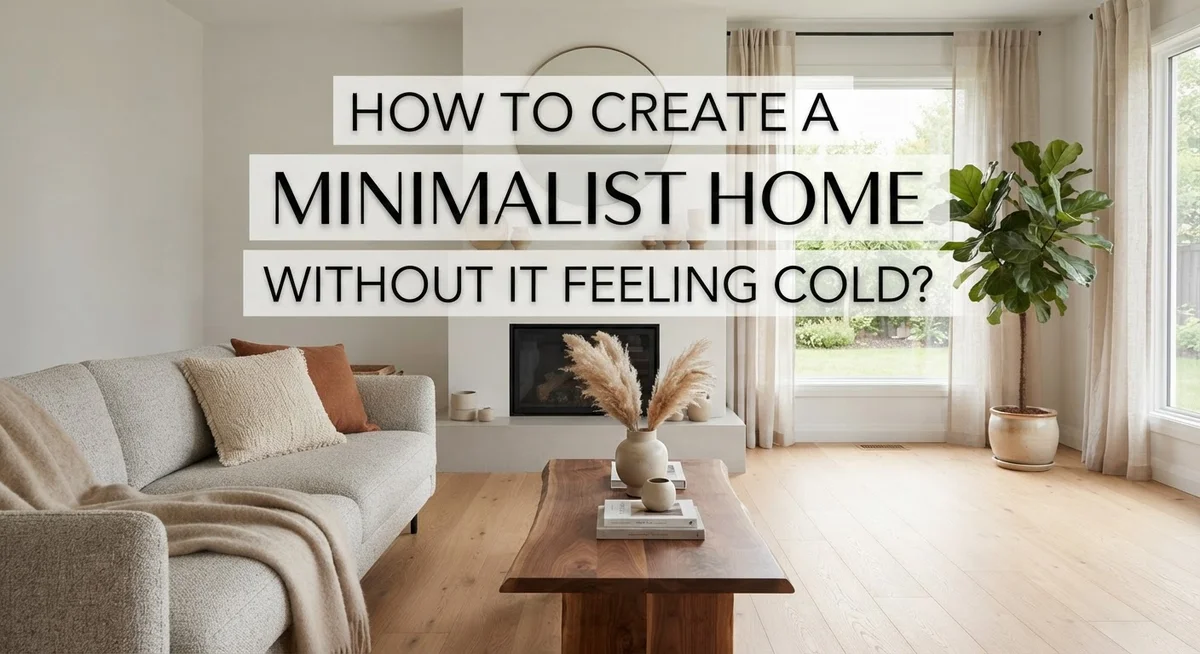
How to Create a Minimalist Home Without It Feeling Cold
Do you love clean spaces but worry they might feel empty? A minimalist home does not have to feel cold or bare.
Many people mix up “minimal” with “boring.” But that is simply not true.
You can strip away clutter and still keep a space that feels warm. The secret lies in how you choose your items, not how many you own.
Think about texture, light, and scent. These simple sensory details turn a plain room into a cozy retreat.
Natural materials like linen and wood add softness to any space. Warm lighting and layered candles create ambiance without adding extra stuff.
This guide will show you simple ways to add comfort to your minimalist home. You will learn how to choose the right textures, lighting, and décor pieces.
We will also cover common mistakes that make minimalist spaces feel stiff or unwelcoming.
By the end, you will know how to build a home that feels both clean and inviting. Your space can be simple and still feel like home.
In a Nutshell
-
A minimalist home feels warm when you focus on texture, light, and scent. These small details add comfort without adding clutter.
-
Choose natural materials like linen, wood, and beeswax. They bring softness and a cozy feel to any room.
-
Layer your lighting with warm lamps and candles. This creates a soft glow instead of harsh, cold light.
-
Add texture through fluffed cushions, folded throws, and soft rugs. These simple touches make a space feel inviting.
-
Avoid high-gloss finishes and furniture chosen for looks alone. Comfort matters just as much as style.
-
Engage your senses with music or a scented diffuser. These small additions make your home feel alive.
-
Remember, minimalism is not about empty rooms. It is about choosing quality over quantity.
-
With the right balance, your space can feel both clean and homely at the same time.
Why Minimalist Spaces Often Feel Cold
Minimalist rooms can feel chilly for one simple reason: they lack sensory richness. When you remove clutter, you also remove visual interest and tactile elements that make spaces feel alive.
Hard surfaces create distance. Many minimalist homes rely on sleek materials like metal, glass, and polished concrete. These surfaces reflect light harshly and feel cold to the touch. Your brain registers emptiness as loneliness, even when the space is perfectly organized.
Lack of texture makes spaces feel sterile. Texture is what your eyes and hands crave. Without it, a room becomes a visual desert. Think about walking into a space with bare walls, smooth floors, and furniture with no soft elements. Your senses feel starved.
Poor lighting amplifies coldness. Bright, white overhead lights make minimalist spaces feel clinical and unwelcoming. The emptiness becomes more obvious under harsh lighting. Your eyes search for something warm to focus on and find nothing.
Absence of sensory layers removes comfort. A warm home engages multiple senses at once. You hear soft music playing. You smell something cooking or a candle burning. You feel a soft throw blanket. Minimalist spaces often skip these elements entirely, assuming less is always better.
Intentionality gets confused with emptiness. True minimalism means keeping only what matters. But many people strip their homes down to almost nothing, mistaking emptiness for simplicity. This creates a space that feels abandoned rather than peaceful.
The key difference is this: a cold minimalist room has nothing; a warm minimalist room has only the right things. The goal is not to own less stuff. The goal is to own things that genuinely serve you, comfort you, or bring you joy. That distinction changes everything about how a space feels.
The Role of Natural Materials in Creating Warmth
Natural materials form the foundation of a warm minimalist home. Wood, linen, wool, and stone create comfort through their inherent qualities. These materials feel good to touch and look inviting without requiring extra decorations.
Wood is your best friend in minimalist spaces. A wooden floor, shelf, or accent piece brings instant warmth. Wood has natural grain patterns that add visual interest while staying minimal. It also ages beautifully, developing character over time rather than looking sterile.
Linen and cotton textiles soften hard surfaces. A linen throw draped over a simple chair adds texture and coziness. Linen pillows feel soft against your skin. These fabrics come in neutral tones that align with minimalist design while feeling genuinely comfortable.
Beeswax candles serve double duty in minimalist homes. They provide warm light and release a subtle, natural scent. Unlike artificial fragrances, beeswax creates ambiance through simplicity. The flickering flame adds movement and life to quiet spaces.
Wool rugs and blankets introduce softness underfoot and to seating areas. Wool regulates temperature naturally and feels pleasant in your hands. A single quality wool rug grounds a room better than multiple thin layers.
Stone and concrete can feel cold, but natural stone has warmth that polished versions lack. Raw or honed finishes feel more inviting than high-gloss treatments. Concrete with a matte finish appears friendlier than shiny alternatives.
The key is choosing materials for both aesthetics and tactile experience. Your minimalist home should invite touch, not discourage it. When you select natural materials, you reduce the need for extra items while increasing sensory richness. Quality matters more than quantity. One beautiful wooden piece creates more warmth than five plastic alternatives. Natural materials age gracefully and develop patina, making your space feel lived in rather than staged.
Layering Texture Through Textiles and Soft Furnishings
Textiles and soft furnishings are your secret weapons for adding warmth to a minimalist home. These elements work because they introduce softness, comfort, and visual interest without breaking your clean aesthetic.
Start with layering. One throw blanket feels sparse. Two or three strategically placed throws create depth and invite touch. Fold them loosely over your sofa arm or drape them casually across a chair. This approach looks intentional, not cluttered.
Pillows deserve special attention. Choose pillows in natural fabrics like linen, cotton, or wool. Vary the textures slightly so your eye moves across the space. Fluff them regularly to maintain that inviting, lived-in quality. A few quality pillows beat a mountain of decorative ones.
Rugs anchor rooms and add warmth underfoot. A natural fiber rug in wool or jute softens hard floors and creates a cozy gathering spot. Layer a smaller rug over a larger one for subtle texture variation without visual chaos.
Consider your blankets and throws carefully. They should feel good in your hands. Chunky knit textures, smooth linen, and soft wool all work beautifully. Rotate them seasonally to keep your space fresh while maintaining minimalist principles.
Upholstery matters too. When choosing seating, run your hand across the fabric. A rough linen feels different from smooth cotton. Both can work, but intentional texture choices make your space feel more inviting.
Window treatments also count as soft furnishings. Simple linen curtains filter light gently while adding texture to walls. They’re functional and beautiful without excess.
The goal is simple: every textile should serve a purpose and feel good. This approach keeps your home minimal while making it feel genuinely warm and welcoming. Your space becomes a place where people want to sit, relax, and stay awhile.
Using Warm Lighting as a Design Element
Warm lighting transforms a minimalist space from feeling sterile to feeling inviting. The key is choosing the right color temperature and layering multiple light sources throughout your room.
Warm light has a lower color temperature, measured in Kelvins. Light around 2700K to 3000K creates that cozy glow you want. This range mimics candlelight and sunset, which naturally feel comforting to humans. Avoid bright white light at 4000K or higher, as it reads as clinical and cold.
Layer your lighting instead of relying on one overhead fixture. Start with ambient lighting from table lamps or wall sconces positioned at different heights. Add task lighting where you read or work. Finally, include accent lighting like candles or string lights to create depth and visual interest.
Position lights strategically to cast gentle shadows rather than harsh brightness. Lamps placed in corners bounce light off walls, creating a softer glow than direct overhead light. Lower the brightness level slightly. Your eyes adjust quickly, and dimmer light feels more intimate than maximum brightness.
Incorporate dimmers into your lighting plan. They let you adjust brightness based on time of day and mood. Dimmed warm light feels infinitely cozier than bright light, even in a minimal space.
Natural light matters too during daytime hours. Warm sunlight streaming through windows feels welcoming. Use sheer curtains or light-filtering window treatments to soften harsh midday sun while keeping the warmth.
Candles and flame-effect lights add visual warmth beyond just illumination. Their flickering creates movement and life in an otherwise still room. This sensory element makes minimalist spaces feel lived in and comfortable.
The goal is simple: your lighting should make people want to stay in your space. Warm, layered lighting achieves this without adding clutter or compromising your minimalist aesthetic.
Engaging the Senses with Scent and Sound
Sound and scent create invisible layers of comfort in a minimalist home. These sensory elements add warmth without requiring physical clutter or extra furniture.
Scent transforms how a space feels. Natural scents work best in minimal interiors. Beeswax candles release a subtle honey fragrance as they burn. Fresh herbs on a windowsill offer gentle aromatics without taking up much space. Cooking with aromatic ingredients like garlic, cinnamon, or fresh bread naturally fills your home with welcoming smells.
Diffusers using essential oils provide consistent scent without visual clutter. Place them in corners or high shelves where they work quietly in the background. A single scent throughout your home creates cohesion. Avoid mixing multiple fragrances, which can feel overwhelming in open, minimal spaces.
Sound adds an emotional dimension to your environment. Soft background music encourages people to relax and linger. Instrumental music works well in minimalist spaces because it provides ambiance without demanding attention. Low volume is key. The goal is gentle soundscaping, not entertainment.
Natural sounds also work beautifully. A small water fountain creates soothing audio texture. Wind chimes near a window add subtle movement and sound. Even the crackle of a candle flame contributes to sensory richness.
Silence matters too. Minimalist homes benefit from quiet moments. Strategic sound means you choose when and what you hear, rather than filling every gap with noise.
These two senses work together powerfully. Imagine entering a room with warm candlelight, soft music playing, and a gentle vanilla scent in the air. Nothing clutters your view, yet the space feels alive and inviting.
The beauty of engaging scent and sound is their efficiency. They require minimal physical space while delivering maximum emotional impact. Your minimalist home becomes a sanctuary that welcomes people through multiple senses at once.
Step-by-Step Guide to a Warm Minimalist Room
Creating a warm minimalist room starts with intentional choices about what you keep and how you arrange it. The goal is to make your space feel inviting and comfortable while maintaining clean lines and open areas.
Begin by selecting furniture pieces that prioritize comfort alongside aesthetics. A sofa should have adequate seat depth so you can actually relax in it. Choose upholstery fabrics that feel soft to the touch rather than stiff or plastic-like materials. Your seating should invite people to sit down and stay awhile.
Next, focus on the materials surrounding you. Natural wood, linen, wool, and cotton all contribute warmth that synthetic materials cannot match. These materials feel better against your skin and create a lived-in quality without requiring extra decorative items.
Arrange your furniture to create intimate conversation areas rather than pushing everything against walls. A small grouping of chairs around a table feels warmer than spread-out, isolated pieces.
Add one or two meaningful accessories that reflect your personality. A single framed photo, a small plant, or a wooden bowl on a shelf tells your story without creating visual chaos.
Consider the flow of your room. Negative space is your friend, but it should feel intentional rather than empty. Leave areas open for movement and breathing room.
Pay attention to how items are displayed. Organize books by color or size on open shelves. Fold throws neatly over chair arms. Stack items with purpose rather than randomly.
Finally, ensure your room serves your daily life. If you love reading, create a comfortable reading nook. If you cook often, keep your kitchen organized and accessible. A minimalist space that doesn’t support your actual habits will always feel cold and unwelcoming.
The warmth comes from thoughtful design that respects both simplicity and your genuine comfort needs.
Common Mistakes That Undermine Coziness
Many people make the same errors when building a minimalist home. These mistakes turn their spaces into cold, unwelcoming environments instead of warm sanctuaries.
Choosing furniture for appearance alone is the first major pitfall. You select a sleek sofa because it looks modern and clean. Then you sit on it and feel uncomfortable. Hard surfaces and poor seat depth make you want to leave the room. Minimalism should never sacrifice how things feel against your body. Test furniture for comfort before committing to it.
High gloss finishes create coldness in any room. Shiny surfaces reflect light harshly and feel sterile to the touch. Matte and textured finishes feel warmer and more inviting. They also hide fingerprints and dust better. Choose materials that feel pleasant when you touch them.
Open shelving without intentional styling leaves walls looking bare and institutional. Empty spaces feel lonely. If you use open shelves, arrange items with intention. Group similar colors together. Leave breathing room between objects. This prevents clutter while maintaining visual interest.
Neglecting functional comfort elements undermines everything else. You skip the throw blanket because it adds visual weight. You avoid cushions for a “cleaner” look. Then your space feels uninviting. Soft furnishings like fluffed pillows and folded throws signal comfort. They tell visitors your home is meant for living.
Overlooking seat depth and fabric quality makes spaces feel unwelcoming. A shallow chair forces you to perch uncomfortably. Rough fabrics feel unpleasant against skin. Your body remembers this discomfort. Invest in pieces where you can actually sink in and relax.
The core mistake is treating minimalism as a style rule rather than a lifestyle choice. True minimalism removes what doesn’t serve you, not what doesn’t photograph well. Warmth comes from prioritizing genuine comfort within your simplified space.
Final Thoughts
A minimalist home does not need to feel empty or cold. Warmth comes from intention, not from filling every corner with objects.
You can create a calm space that still feels inviting. The secret lies in balancing simplicity with comfort.
Focus on natural materials like linen, wood, and wool. These add texture and softness to any room.
Choose warm lighting over harsh overhead lights. A few well placed lamps change how a room feels instantly.
Remember that comfort matters more than perfection. A chair should feel good to sit in, not just look nice in photos.
Small sensory details make a big difference. Soft fabrics, gentle scents, and pleasant sounds all add depth to your space.
Minimalism is not about removing everything you love. It is about keeping what truly matters and displaying it with care.
Every item in your home should serve a purpose or bring you joy. This mindset naturally leads to warmer, more personal spaces.
Take time to test how a room feels, not just how it looks. Sit in your chairs. Touch your fabrics. Notice the lighting at different times of day.
Your home should reflect how you actually live. A minimalist space works best when it supports your daily routines and comforts.
Do not rush the process. Building a warm minimalist home takes thought and small adjustments over time.
Start with one room if the whole house feels like too much. Small changes often lead to the biggest shifts in comfort.
In the end, minimalism and warmth work together beautifully. Simple spaces can feel deeply comforting when designed with care.
Trust your instincts about what feels right in your home. Your space should feel like a place you truly want to be.
Frequently Asked Questions
How do I add warmth without filling my home with clutter?
Layer your sensory elements instead of accumulating objects. Use warm lighting by combining soft lamps with candles throughout your space. Add natural textures like wool throws, linen pillows, and woven rugs. These items serve a purpose while creating coziness.
Engage your other senses too. Play soft music in the background. Use a diffuser with natural scents like vanilla or cedarwood. Cook meals that fill your home with inviting aromas.
Can a minimalist room actually feel homely and inviting?
Absolutely. The key is choosing quality over quantity. One well made wooden side table feels warmer than five cheap plastic ones. A single piece of meaningful art on your wall creates more warmth than a gallery of random prints.
Focus on materials that feel good to touch. Smooth wood, soft fabrics, and natural fibers all contribute to a welcoming atmosphere. Your home becomes homely when every item reflects intentional choices about comfort.
What lighting approach works best for minimalist spaces?
Avoid harsh overhead lights. Instead, use multiple soft light sources at different levels. Place warm lamps on side tables and dressers. Add candles for ambient glow during evenings.
Warm colored bulbs (2700K or lower) feel more inviting than cool white ones. Dimmer switches let you adjust brightness to match your mood. Good lighting is a design element, not just functionality.
How do I style open shelves without making them look bare?
Arrange items with intentional spacing. Group similar objects together. Leave some shelf space empty for visual breathing room.
Include a mix of textures. Stack folded linens next to wooden boxes. Display a few meaningful books with their spines showing. Add one small plant or candle for life.

Phil is the founder and creative mind behind Aesthetic Space Finds, a home decor enthusiast dedicated to helping people transform their living spaces through honest product reviews, in-depth comparisons, and expert buying guides. With a keen eye for design and a passion for discovering hidden gems in the world of home accessories, Phil curates content that makes stylish, functional living accessible to everyone.


