
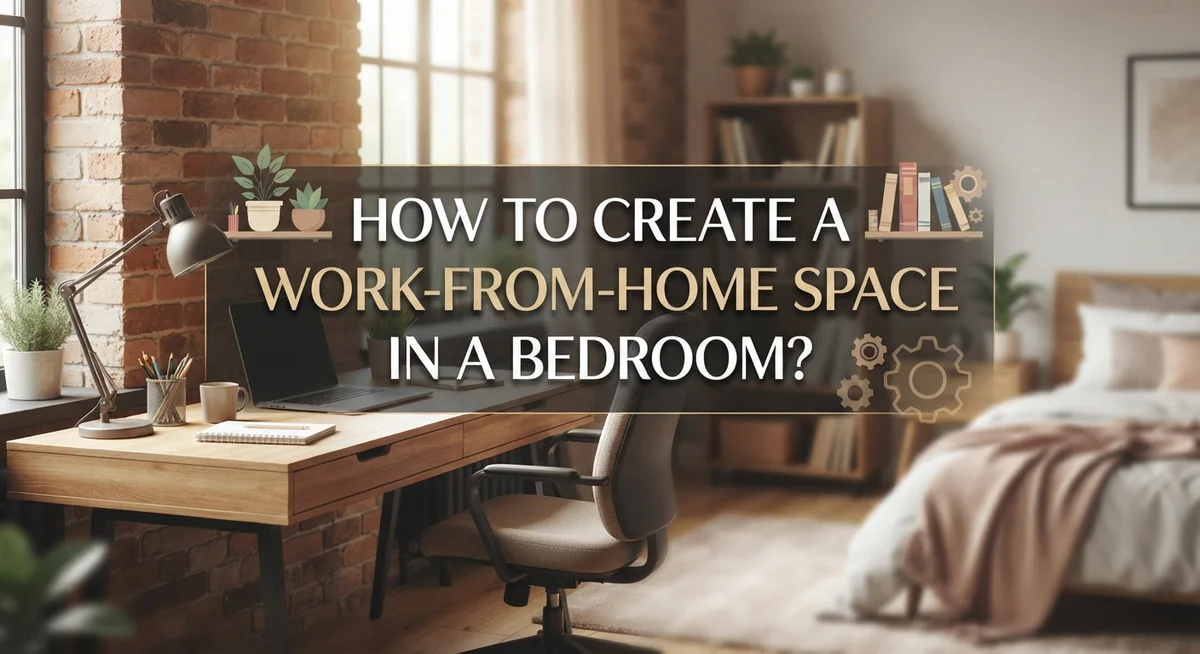
How to Create a Work-From-Home Space in a Bedroom?
Working from home often means finding space where there isn’t much to spare. Your bedroom might be the only option left. The good news? You can turn even a small corner into a functional workspace.
Creating a work zone in your bedroom takes some planning. You need to think about sleep and work staying separate. Mixing the two can hurt your rest and your focus.
This guide walks you through simple steps to build a home office in your bedroom. We cover picking the right spot, choosing furniture that supports your body, and setting up lighting that keeps you alert.
You’ll also learn how to add storage without cluttering your space. Small bedrooms need smart solutions, not bulky furniture.
We’ll point out common mistakes people make too. These include bad desk placement and messy video call backgrounds.
By the end, you’ll have a clear plan. Your bedroom can become a place for rest and productive work. Both can exist in harmony with the right setup.
In a Nutshell
Setting up a work-from-home space in your bedroom is simple with the right approach. Here’s a quick recap of what matters most:
-
Pick a quiet corner. Choose a spot away from your bed to keep work and rest separate.
-
Invest in ergonomic furniture. A supportive chair and a proper desk protect your back and boost focus.
-
Light your space well. Good lighting keeps you alert and makes video calls look professional.
-
Go vertical with storage. Shelves and wall organizers save floor space in small bedrooms.
-
Add personal touches. Plants, photos, or art make the space feel inviting and fresh.
-
Watch your video call background. Keep it tidy and simple so it looks professional on camera.
Avoid common pitfalls like poor lighting, cluttered surfaces, or placing your desk too close to your bed. These small mistakes can hurt your focus and comfort over time.
With smart planning, even a tiny bedroom can become a functional and comfortable work zone. You don’t need a lot of room, just the right setup.
Why Separating Work and Sleep Zones Matters
Your brain needs clear signals to switch between work mode and rest mode. When you blend these two activities in one room, your mind struggles to relax. You stay in work-mode even when you’re trying to sleep.
Separation creates mental boundaries. Your body recognizes that one corner means productivity and another means rest. This simple division helps your sleep quality improve. You fall asleep faster when your brain isn’t thinking about unfinished tasks.
Poor sleep affects your work performance the next day. You feel tired, unfocused, and less creative. A dedicated work zone prevents this cycle. You leave your desk, close the door or move away, and your mind shifts to recovery mode.
Physical distance matters for focus too. When your bed sits across the room from your desk, you won’t feel tempted to nap during work hours. You stay committed to your tasks. The visual reminder of your bed won’t distract you from deadlines or meetings.
Stress levels drop when zones are separate. Your bedroom becomes a sanctuary again, not an extension of your office. You can truly unwind here. This separation protects your mental health during long work periods.
Work-life balance isn’t just a buzzword. It’s essential for preventing burnout. People who blur these lines often work longer hours and take fewer breaks. They feel guilty relaxing in a space that looks like an office.
Even in small bedrooms, you can create this separation. A corner desk, a folding screen, or even a different wall works. The key is consistency. Use that spot only for work. Keep your bed as a sleep-only zone.
This simple habit transforms how you feel about both work and rest. You’ll notice better focus during the day and deeper sleep at night. Your bedroom becomes restorative again, not just another workspace.
Choosing the Right Spot in Your Bedroom
Finding the right spot in your bedroom sets the foundation for productive work. Start by looking for a corner that feels separate from your sleeping area. Distance between your desk and bed helps your brain switch between work and rest modes.
Natural light matters more than you might think. Position your workspace near a window if possible. Sunlight boosts energy and makes video calls look better on camera. If windows aren’t available, that’s fine. You’ll add artificial lighting later.
Noise levels deserve serious attention. Avoid spots near hallways, doors, or outside walls where sound travels easily. A quiet corner gives you focus without constant interruptions. If your bedroom faces a busy street, consider this when placing your desk.
Check the wall space around your chosen spot. You’ll want room to hang shelves or wall organizers above your desk. Going vertical saves floor space in smaller bedrooms. Make sure the wall can support storage without feeling cramped.
Think about air circulation and temperature. Stuffy corners make it hard to concentrate. Pick a spot with decent airflow. You don’t want to feel too hot or cold during work hours.
Test the spot before committing. Sit there for 30 minutes and notice how you feel. Does your neck strain? Do sounds bother you? Is the lighting adequate? These small tests reveal problems before you invest in furniture.
Consider your internet connection too. Position your desk where your WiFi signal stays strong. Poor connection disrupts calls and slows your work. If signal is weak, plan to move your router or use a booster.
Finally, ensure you have enough space to move around comfortably. You need room to stand, stretch, and move your chair. Cramped spaces create physical tension and reduce productivity. A workspace should feel open, even in a small bedroom.
Step-by-Step: Setting Up Your Bedroom Workspace
Start by measuring your available space. Know the exact dimensions of your bedroom so you can plan furniture placement without guessing.
Next, decide on your desk size. A smaller desk works fine for laptops and documents. Larger desks give you more surface area but take up more room.
Position your desk at a comfortable height. Your elbows should bend at roughly 90 degrees when you sit. Your screen should be at eye level to avoid neck strain.
Choose a chair that supports your lower back. Sit in it for a few minutes before deciding. Your feet should touch the floor flat when seated.
Install task lighting near your desk. A desk lamp or wall mounted light prevents eye strain. Avoid placing lights directly behind your screen.
Add storage solutions around your workspace. Floating shelves keep files off the floor. Drawer units fit under desks nicely. Vertical storage uses wall space instead of floor space.
Organize your supplies within arm’s reach. Pens, notepads, and cables should sit on your desk or in nearby drawers. This saves time and keeps focus sharp.
Set up your internet connection reliably. Test your WiFi signal at your chosen desk spot. Move your router if the signal is weak.
Add a small rug or mat under your desk. This defines your work zone visually. It also reduces noise if you move around frequently.
Keep a small trash bin nearby. You’ll use it for paper scraps and packaging. This prevents clutter from spreading across your bedroom.
Finally, test your setup for one full workday. Notice what feels uncomfortable or awkward. Make adjustments before you settle into the routine. Small changes now prevent bigger problems later.
Maximizing Small Bedrooms with Vertical Storage
Vertical storage transforms small bedrooms into functional work spaces. Instead of spreading items across your floor, look up. Wall space is your best friend when square footage is limited.
Install shelves above your desk. They hold books, supplies, and files without taking up floor room. Floating shelves work well because they don’t need legs or bulky frames. Mount them at eye level so you can reach items easily while sitting.
Use wall mounted organizers for papers and documents. These slim holders keep files sorted and visible. You won’t waste time digging through drawers searching for important papers. Your desk stays clear, which helps you focus better.
Corner shelving units maximize unused space. Corners often sit empty in small bedrooms. A tall, narrow unit slides into that spot and provides multiple storage levels. Stack boxes or bins on each shelf to keep things organized.
Pegboards offer flexible storage options. You hang them on your wall and add hooks, baskets, or shelves as needed. Rearrange items whenever your needs change. This adaptability makes pegboards ideal for growing work setups.
Over the door organizers provide hidden storage. Hang one on your bedroom door or closet door. It holds supplies, cables, and small items without eating into your room. Nobody sees it when the door closes.
Vertical filing systems keep documents upright. Instead of stacking papers flat, stand them up like books. This method uses less desk space and helps you find documents faster.
Consider wall mounted cabinets with doors. They store items out of sight while keeping your space looking clean. Closed storage reduces visual clutter in small rooms.
The key principle is simple: move storage up, not out. When you use your walls instead of your floor, small bedrooms suddenly feel spacious. Your work area becomes functional and organized without feeling cramped or chaotic.
Lighting and Ergonomics Tips for Comfort and Focus
Good lighting and proper ergonomics form the foundation of a comfortable work-from-home bedroom. Without them, you’ll experience eye strain, headaches, and back pain that destroy your focus.
Natural light is your first choice. Position your desk near a window if possible. Natural light boosts mood and reduces fatigue. However, avoid sitting directly facing the window. Glare on your screen makes work harder. Instead, sit perpendicular to windows so light comes from the side.
For artificial lighting, use two types. First, add ambient lighting that fills your entire workspace. This prevents harsh shadows. Second, install task lighting directly on or near your desk. A desk lamp should shine on your work surface without creating glare. Aim for warm white bulbs rather than cool blue ones. Warm light feels easier on the eyes during long work sessions.
Your chair deserves serious attention. It should support your lower back with proper lumbar support. Your feet must touch the floor flat. Your knees should bend at roughly 90 degrees. Armrests help reduce shoulder tension.
Position your desk at elbow height. When sitting, your elbows should bend at 90 degrees while your hands rest on the keyboard. Your monitor should sit at eye level. Looking down strains your neck. Adjust your monitor height using a stand or books underneath.
Take regular breaks. Every 20 minutes, look away from your screen for 20 seconds. Focus on something distant. This simple habit prevents eye fatigue.
Temperature and air flow matter too. A warm, stuffy room causes drowsiness. Keep your bedroom cool and well ventilated. Open a window slightly or use a fan to keep air moving.
These ergonomic adjustments prevent pain and keep you sharp. Your body will thank you with better focus and energy throughout your workday.
Common Mistakes to Avoid When Setting Up Your Space
Setting up a work space in your bedroom requires careful planning. Many people make mistakes that hurt their productivity and comfort. Learning what to avoid saves you time and frustration.
Uncomfortable furniture is the biggest mistake. You spend 8 hours daily in your chair and at your desk. A cheap, unsupportive chair causes back pain and neck strain. Your desk should be at elbow height when you sit down. Your feet need to rest flat on the floor. Test any furniture before you commit to it.
Poor lighting drains your energy and strains your eyes. Working in dim light makes you tired and unfocused. Many people rely only on overhead lights, which create harsh shadows. You need both task lighting and ambient light. Position your light source to avoid glare on your screen.
Inadequate storage creates chaos. Without proper organization, papers pile up on your desk. Your workspace becomes cluttered and distracting. You waste time searching for documents and supplies. Install drawers, shelves, or filing systems before you start working. Keep frequently used items within arm’s reach.
Bad desk placement wastes valuable space. Putting your desk in the center of the room blocks movement. Placing it against a wall with no window access feels isolating. Position your desk near a window when possible. Face your screen away from direct sunlight to reduce glare.
Neglecting the separation between work and sleep zones creates problems. Your brain struggles to switch off at night. You see your work setup from bed, which causes stress. Use a room divider, curtain, or bookshelf to create visual boundaries. This simple step helps you relax when work ends.
Unsuitable video call backgrounds damage your professional image. A messy bed behind you looks unprofessional. Hang a simple curtain or add a small backdrop. This protects your privacy and improves how colleagues see you.
Personalizing Your Workspace Without Losing Bedroom Comfort
Your bedroom serves two purposes now: rest and work. The key is creating a space that feels both productive and peaceful. Balance is everything when you’re mixing these two functions in one room.
Start by choosing a corner or wall that feels separate from your bed. This physical distance matters more than you think. Your brain needs to recognize when you’re “at work” versus “winding down.” Even a few feet of separation helps your mind switch between modes.
Add personal touches that inspire you without cluttering the space. A small plant brings life to your desk area. A favorite photo or artwork reminds you why you work. These items should make you smile, not distract you. Keep decorations minimal and purposeful.
Color choices affect your mood and focus. Soft, neutral tones on walls keep the bedroom calm. You can add personality through desk accessories, a throw pillow, or a small lamp. This approach lets you personalize without overwhelming the space.
Create a visual boundary between work and rest zones. A room divider, curtain, or even a tall bookshelf signals the transition. When you’re off work, this barrier helps you mentally leave your desk behind.
Storage with style serves double duty. Open shelves display books and supplies while keeping things organized. Closed cabinets hide work clutter so your bedroom stays serene at night. Choose storage that matches your bedroom aesthetic.
Lighting sets the mood for both zones. Soft, warm lighting near your bed promotes relaxation. Brighter, focused light at your desk boosts concentration. Switching between these lighting levels reinforces the separation between work and sleep.
Sound matters too. A small speaker playing gentle background music during work hours creates atmosphere. Silence during evening hours helps your brain recognize bedtime. These audio cues train your mind to shift gears naturally.
Your space should feel like yours, not a sterile office. When your bedroom workspace reflects your personality, you’ll actually want to spend time there working.
Final Thoughts
Creating a work-from-home space in your bedroom takes thought, but it pays off. A well-planned setup boosts your focus and protects your rest. Small changes make a big difference over time.
Start with the basics. Pick a quiet spot, add proper lighting, and choose furniture that supports your body. These steps form the base of a workspace that actually works.
Storage keeps clutter away from your bed. When your desk stays organized, your mind stays clear. This separation helps you relax once work hours end.
Your comfort matters just as much as your productivity. A chair that hurts your back or lighting that strains your eyes will wear you down. Fix these issues early to avoid long term problems.
Remember why you set up this space. You want to work well and sleep well in the same room. Both goals deserve equal attention.
Avoid the common mistakes we covered. Skipping ergonomics, ignoring storage, and blending work with sleep zones cause frustration. Small fixes now save bigger headaches later.
Personal touches make this space feel like yours. Plants, art, or a favorite color scheme turn a plain corner into somewhere you want to work. This connection keeps you motivated daily.
Test your setup for a week. Notice what feels off and adjust it. Your workspace should evolve as your needs change.
Balance is the real goal here. You are not just building a desk area. You are shaping a room that supports rest and work without one harming the other.
Keep your zones visually separate, even in a small room. This boundary helps your brain switch between modes easily.
A thoughtful bedroom office proves that limited space does not mean limited results. With the right choices, your bedroom can support both your career and your rest, giving you the best of both worlds.
Frequently Asked Questions
Can I use my bed as my workspace?
No, this is not a good idea. Your bed should remain a place for rest and sleep only. Using it for work blurs the line between your two zones and makes it harder to relax at night. Your brain needs clear signals about when you are working and when you are resting.
Instead, set up a separate desk in a different corner or area of your room. Even a small distance between your bed and workspace helps your mind switch gears.
What if my bedroom is very small?
Work vertically, not horizontally. Use wall shelves, pegboards, and tall storage units to maximize space. A compact desk that folds or has built in storage works well in tight areas.
Position your desk near a window if possible. Natural light saves space and boosts your mood. Keep only essential items on your desktop to avoid clutter.
How do I stop feeling like I never leave work?
Create a physical boundary between zones. You can use a room divider, bookshelf, or even a curtain to separate your work area from your bed. When you finish work, close the divider or turn your chair away from the desk.
Establish a shutdown routine. Put away your work supplies, close your laptop, and change your clothes. This signals to your brain that the workday has ended.
What lighting should I use?
Combine natural light with task lighting. Position your desk to catch daylight from a window. Add a desk lamp that points at your work surface without creating glare on your screen.
Avoid harsh overhead lights alone. They cause eye strain and fatigue. Warm, soft lighting helps you feel comfortable during long work hours.

Phil is the founder and creative mind behind Aesthetic Space Finds, a home decor enthusiast dedicated to helping people transform their living spaces through honest product reviews, in-depth comparisons, and expert buying guides. With a keen eye for design and a passion for discovering hidden gems in the world of home accessories, Phil curates content that makes stylish, functional living accessible to everyone.


