
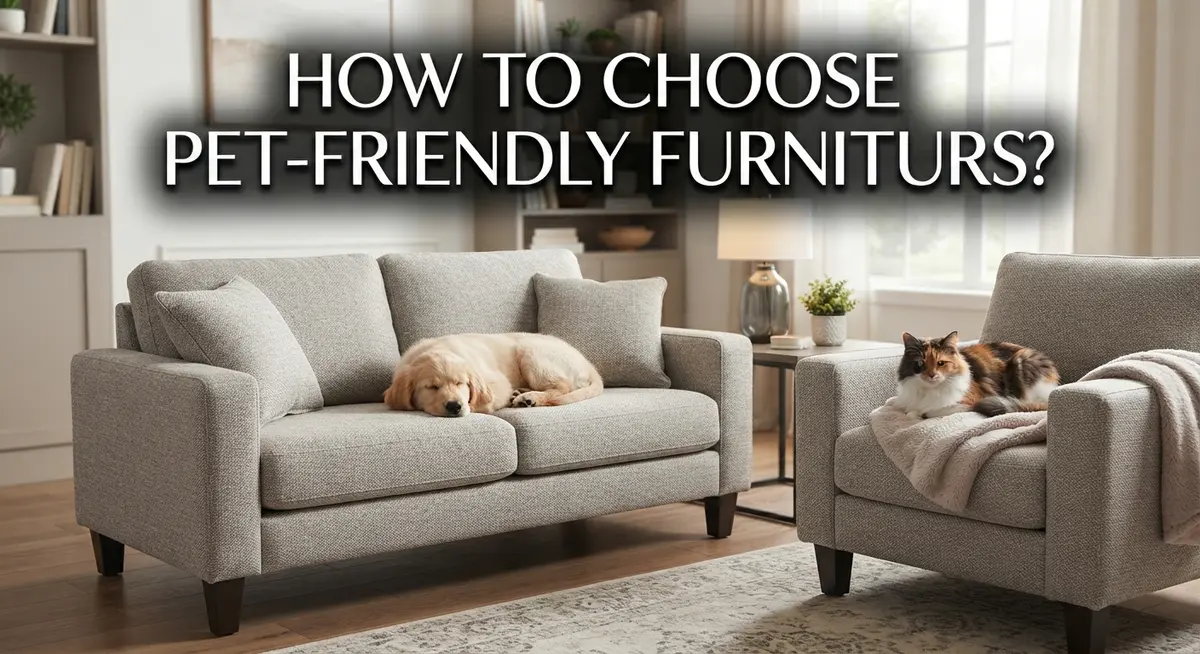
How to Choose Pet-Friendly Furniture Fabrics?
Do you love your pets but dread the fur on your couch? You are not alone. Many pet owners struggle to find furniture that survives daily life with a furry friend.
The good news is that the right fabric makes a huge difference. Pet friendly does not mean boring or ugly. It means smart choices that fit your lifestyle.
This guide will help you understand what really matters. We will skip the marketing labels and focus on real performance. You will learn why tight weaves matter so much for durability.
We will also cover how texture and pattern can hide fur and scratches. Color matching is another simple trick we will explore in detail.
By the end of this article, you will know exactly what to look for. You will avoid common mistakes that leave furniture looking worn out fast.
Whether you have a playful puppy or a curious cat, this guide has practical answers. Let’s get your furniture ready for pet life without sacrificing style.
In a Nutshell
Choosing the right fabric protects your furniture and keeps your home looking great. Here is a quick summary of what matters most.
-
Focus on performance, not labels. A “pet-friendly” tag does not always mean the fabric is tough. Check the weave and material yourself before you decide.
-
Pick tight-weave fabrics. Tight weaves resist claws and prevent snags. This simple choice saves you from early wear and tear.
-
Choose synthetic fibers. Materials like microfiber or polyester blends handle daily pet life better than delicate natural fabrics. They clean easier and last longer too.
-
Use texture and pattern to your advantage. Textured or patterned fabrics hide fur, stains, and small scratches. Solid colors show every mark clearly.
-
Match fabric color to your pet. If your pet has dark fur, avoid light solid colors. A close color match keeps shedding less visible.
-
Avoid common mistakes. Skipping weave checks or picking fragile fabrics leads to quick damage. Always test cleanability before buying.
These points give you a solid starting base. Now let us explore each one in more detail.
What Makes a Fabric Pet-Friendly?
Pet-friendly fabric means something specific. It prioritizes durability, stain resistance, and easy cleaning over looks alone. Your furniture faces real challenges from claws, accidents, and shedding every single day.
Tight weaves matter most. A tight weave prevents pet claws from catching loose threads and creating snags. Loose weaves unravel quickly under pressure. Run your hand over fabric samples to feel the difference. Tight fabrics feel smooth and compact, while loose weaves feel airy and soft.
Synthetic fibers outperform natural ones. Materials like microfiber, polyester blends, and acrylic handle pet life better than cotton or linen. Synthetics resist moisture, repel stains more effectively, and dry faster after accidents. Natural fibers absorb liquids and hold odors longer.
Texture hides damage. Smooth, solid fabrics show every paw print, hair strand, and minor mark. Textured weaves and patterns camouflage these issues naturally. A patterned fabric with mixed colors disguises both pet hair and small stains far better than a plain surface.
Color strategy reduces stress. Light colors show dark pet hair immediately. Dark colors show light pet hair just as easily. Match your fabric shade to your pet’s coat color when possible. Neutral tones like gray, tan, or brown work well for mixed-color pets.
Protective treatments add value. Some fabrics receive stain and water treatments during manufacturing. These treatments repel liquids temporarily, giving you time to clean spills before they set in. Treatments wear down over time but provide extra protection during your furniture’s early years.
Performance specs matter more than labels. A fabric labeled “pet-friendly” might still be delicate. Check actual performance ratings for abrasion resistance and stain resistance instead. Numbers tell you more than marketing words ever will.
Understanding Weave Tightness and Durability
Weave tightness is the foundation of pet resistant furniture. A tight weave physically prevents pet claws from snagging loose fibers. When threads are packed closely together, your pet’s nails cannot catch and pull the material apart. This is why weave density matters more than fabric name or marketing claims.
Loose weaves fail quickly with pets. Fabrics with open, airy weaves unravel easily when claws hook the threads. Your couch develops pulls and snags within weeks. Tight weaves stay intact because the fibers have nowhere to go when pressure is applied.
Durability connects directly to how fibers hold together. Tightly woven fabrics last longer because the structure resists both physical damage and wear. When you sit, jump, or play on the furniture, tight weaves distribute the pressure evenly. Loose weaves concentrate stress on individual threads, causing faster breakdown.
You can test weave tightness by looking closely at the fabric surface. Run your finger across it gently. Does it feel smooth and dense, or can you see space between threads? Dense fabrics feel more substantial. You should struggle to see light through the material when you hold it up.
Synthetic fibers in tight weaves perform best. Polyester, microfiber, and acrylic blends maintain their structure even when packed tightly. Natural fibers like cotton and linen are softer but harder to weave densely without stiffness.
The combination of tight weave plus synthetic fiber creates maximum durability. This pairing resists scratches, resists stains, and resists the daily impact of pet life. Neither element works alone. A tight weave with delicate natural fibers still fails. A loose weave with synthetic fiber still snags.
Check fabric specifications before purchasing. Look for thread count or weave density information. Higher numbers indicate tighter construction. Ask about how the fabric performs in durability tests. This practical approach beats any “pet friendly” label.
Best Fiber Types: Synthetic vs. Natural Materials
Synthetic fibers and natural materials perform very differently on pet furniture. Understanding these differences helps you make a smart choice for your home.
Synthetic fibers win for pet owners. Microfiber, polyester blends, and acrylic fabrics resist damage much better than natural options. These materials bounce back from daily wear. Pet claws, accidents, and shedding don’t break down synthetic fibers easily. They also dry quickly after spills, which matters when your pet has accidents.
Natural fibers like cotton, linen, and wool sound appealing, but they struggle with pets. Cotton absorbs liquids deeply and stains set fast. Wool can pill and mat when claws catch the surface. Linen wrinkles easily and shows every mark. These materials feel nice but cost more to maintain and replace sooner.
Synthetic blends offer the best balance. Many manufacturers combine synthetic fibers with small amounts of natural materials. This approach gives you durability from synthetics plus some comfort benefits. The synthetic portion does most of the heavy lifting against pet damage.
Performance matters more than fiber type alone. A loose weave synthetic fabric still fails with pets. A tight weave synthetic fabric outlasts loose weave natural materials by years. Check how fibers are woven together, not just what they are made from.
Protective treatments enhance synthetic fabrics further. Many synthetic options receive stain resistant or water resistant treatments. These coatings help liquids bead up instead of soaking in. Treatments make cleanup easier and faster. They work best on synthetic materials because the fibers don’t absorb moisture naturally.
Your pet’s lifestyle should guide your choice. Active dogs and cats need maximum durability from synthetic fibers. Quieter pets might handle natural blends better. Either way, prioritize tight weaves and synthetic content for lasting furniture.
Using Color, Pattern, and Texture to Hide Fur and Wear
Color, pattern, and texture work together to keep your furniture looking fresh despite pet hair and daily wear. This strategy hides the inevitable marks that come with pet ownership.
Texture is your best visual ally. Fabrics with raised surfaces like chenille, corduroy, or jacquard naturally conceal individual hairs and paw prints. Smooth fabrics reveal everything. A single strand of pet hair shows instantly on flat microsuede, while the same hair disappears into textured weaves.
Patterns break up visual mess. Solid colors demand perfection. One paw print, one hair strand, one small stain becomes obvious. Geometric patterns, florals, or abstract designs scatter your attention across the surface. Your eye doesn’t focus on individual marks when patterns are present.
Color matching reduces visibility dramatically. If your dog is brown, brown furniture hides shed fur effectively. If your cat is black, charcoal or dark gray upholstery camouflages hair better than cream or beige. This simple step cuts your cleaning stress in half.
Combine all three elements for maximum effect. A dark patterned fabric with textured weave becomes nearly invisible for fur and wear marks. Light solid colors with smooth finishes show everything and require constant cleaning.
Test the combination in your home first. Bring fabric samples to your space and observe them with your pet nearby. Watch how light hits the surface. Notice if patterns actually hide marks or just create visual chaos. Sit on the sample to feel the texture. Does it feel durable under pressure?
Balance aesthetics with function. You want furniture that matches your home style and handles pet life equally well. The right color, pattern, and texture combination achieves both goals. Your furniture stays attractive while resisting the visual impact of pet ownership.
Step-by-Step: Evaluating a Fabric Before You Decide
Before you commit to any fabric, you need to test it against real pet scenarios. This step separates fabrics that sound good from fabrics that actually work in your home.
Start by examining the fabric up close with your hands. Run your fingers across the surface in different directions. Does it feel smooth or textured? Smooth fabrics show every paw print and hair strand. Textured fabrics hide these marks naturally.
Next, perform a simple scratch test. Use your fingernail or a small brush to gently scratch the fabric surface. Does it pill or fray easily? Quality pet fabrics resist this damage. Poor options fall apart in seconds.
Check the fabric label for fiber content and weave information. Look for synthetic fibers listed first. Read any performance specifications mentioned. Labels should tell you about stain resistance or water resistance treatments applied to the fabric.
Bring fabric samples home and place them in your actual living space. This matters because lighting changes how patterns and colors appear. Watch how your pet interacts with the samples. Does your cat claw at it? Does your dog’s fur blend in or stand out?
Test stain resistance by dabbing a small water drop on the sample. Does it bead up and roll off? Or does it soak in immediately? Fast absorption means stains will set quickly during accidents.
Observe the sample for several days near your pet’s favorite spots. Notice if loose fibers appear or if the texture flattens. Pay attention to whether pet hair clings to it or brushes away easily.
Don’t skip this evaluation step. Furniture represents a significant investment. Spending time with samples now prevents expensive mistakes later. You’ll gain confidence that your choice handles your specific pet’s behavior and your home’s conditions.
Protective Treatments and Cleanability Considerations
Protective treatments and cleanability work together to extend your furniture’s lifespan when you share your home with pets. Protective coatings act as a shield against spills, stains, and moisture damage before they penetrate the fabric fibers.
Many synthetic fabrics receive factory applied treatments that repel liquids and resist staining. These treatments create an invisible barrier on the fabric surface. Water beads up and sits on top rather than soaking through. This gives you time to blot spills before they set permanently into the weave.
Stain resistance treatments don’t make your furniture stain proof. They simply buy you precious minutes to clean up accidents. Pet accidents, food spills, and water bowls still require quick action. The faster you respond, the better your results will be.
Cleanability matters just as much as protection. Choose fabrics you can actually clean without special equipment or professional help. Tight weaves trap less dirt and pet hair in the fibers. Smooth surfaces wipe clean more easily than deeply textured ones. Consider what cleaning methods work for your lifestyle.
Some fabrics tolerate machine washing or spot cleaning with mild soap and water. Others need dry cleaning or professional treatment. Check the manufacturer’s care label before you buy. Your ability to clean the fabric determines how long it stays fresh.
Test cleanability with your own cleaning methods at home. Blot a small water spot on a fabric sample. Use the same cleaner you plan to use on your actual furniture. Does the spot disappear? Does the fabric dry quickly without water rings? Does the texture stay intact?
Budget time for regular maintenance. Vacuum weekly to remove shed fur and dirt. Brush the fabric surface to restore texture and remove embedded hair. Rotate cushions frequently to distribute wear evenly. These simple habits keep your furniture looking newer longer, regardless of which protective treatment you choose.
Common Mistakes to Avoid When Choosing Pet-Friendly Fabrics
Many pet owners make the same errors when selecting furniture fabrics. Understanding these pitfalls helps you make smarter choices.
The biggest mistake is trusting “pet-friendly” labels without checking actual performance specs. A label sounds reassuring, but it doesn’t guarantee the fabric will survive your specific pet’s lifestyle. Always examine the weave tightness and fiber content yourself.
Selecting delicate natural fabrics is another common error. Silk, linen, and loosely woven materials feel luxurious but fail quickly with pets. These fabrics snag easily and don’t resist staining well. Synthetic fibers consistently outperform natural materials for pet households.
Choosing solid light colors with dark-furred pets creates constant frustration. A white sofa with a black dog becomes a visibility nightmare. Your pet’s fur shows up instantly and never disappears. Match your fabric color to your pet’s coat whenever possible.
Ignoring weave tightness is a critical oversight. A tight weave resists scratches and prevents fur from embedding into fibers. Loose weaves allow pet claws to catch and pull threads. Run your hand across the fabric to feel how tightly woven it is.
Many people skip the evaluation step entirely. They order furniture online without testing samples first. This approach guarantees disappointment. Bring fabric samples to your home and observe them near your pet’s favorite spots for several days.
Overlooking cleanability is another mistake. A stain-resistant fabric means nothing if you cannot clean it easily. Check whether the fabric tolerates machine washing, spot cleaning, or specific cleaning products. Test your own cleaning methods on samples before committing.
Finally, people ignore protective treatments. Many synthetic fabrics come with factory-applied treatments that repel liquids and resist staining. These treatments extend your furniture’s lifespan significantly. Ask about treatment options when shopping.
Avoiding these mistakes saves money, frustration, and furniture replacement costs.
Final Thoughts
Choosing the right fabric does not need to feel hard. You just need to focus on a few key things.
Tight weaves, synthetic fibers, and textured patterns give you the best results. These three factors work together to fight fur, scratches, and stains.
Your pet’s habits matter too. A cat that scratches needs different fabric than a dog that sheds heavily. Think about your pet’s specific behavior before you shop.
Color matching is a simple trick that saves you daily frustration. Match your fabric tone to your pet’s fur color. This small step hides hair between cleanings.
Skip the “pet-friendly” label trust game. Check the actual weave, fiber content, and treatment details instead. Labels alone don’t tell you the full story.
Testing remains your best friend here. Bring samples home. Watch how they hold up near your pet’s favorite spots for several days.
Protective treatments add an extra layer of defense. They give you more time to clean spills before stains set in. Pair treatments with a fabric that already cleans easily.
Remember that no fabric is completely pet proof. Even the toughest materials need regular care and attention. Budget time each week for basic maintenance.
Your furniture is an investment worth protecting. The right fabric choice extends its life by years. It also keeps your home looking clean and welcoming.
Take your time with this decision. Rushing leads to regret and wasted money. A careful choice today means fewer headaches tomorrow.
Trust the process you learned here. Combine tight weaves, synthetic materials, smart colors, and real testing. This combination gives you furniture that survives life with pets.
Your home can look great and handle pet life too. You just need the right fabric strategy. Now you have the tools to choose wisely.
Frequently Asked Questions
What makes a fabric truly pet-friendly?
A fabric is pet-friendly when it resists damage, hides wear, and cleans easily. Tight weaves stop pet claws from snagging fibers. Synthetic materials like polyester hold up better than natural fabrics. Textured or patterned surfaces hide shed fur and stains so your furniture looks cleaner longer.
The key is performance, not marketing labels. Check how the fabric actually performs against scratches and stains. Test it yourself before buying.
Should I match fabric color to my pet’s fur?
Yes, color matching is one of the smartest strategies you can use. If your dog has dark fur, choose a dark or charcoal fabric. Light-colored pets pair well with cream or tan upholstery.
This simple trick reduces daily frustration. You won’t notice every hair that sheds. Solid light colors with dark-furred pets create constant cleaning stress.
Are synthetic fabrics always better than natural ones?
Synthetic fibers generally outperform natural materials for pet homes. They resist stains better and handle moisture without damage. Natural fabrics like linen or cotton absorb liquids and stain more easily.
That said, some synthetic blends work well too. The tightness of the weave matters more than the fiber type alone. Always check both factors together.
Do protective treatments really work?
Protective treatments add an extra defense layer against stains and spills. They buy you time to clean up accidents before damage sets in. However, no treatment makes fabric completely stain proof.
Treatments work best when combined with tight weaves and regular cleaning. Apply treatments during manufacturing or add them yourself. Remember that maintenance remains essential regardless of treatment.

Phil is the founder and creative mind behind Aesthetic Space Finds, a home decor enthusiast dedicated to helping people transform their living spaces through honest product reviews, in-depth comparisons, and expert buying guides. With a keen eye for design and a passion for discovering hidden gems in the world of home accessories, Phil curates content that makes stylish, functional living accessible to everyone.


