How to Create a Cozy Vibe in a Modern Home?
Modern homes look stunning. Clean lines, open spaces, and sleek surfaces give them a polished feel. But here is the problem: they can also feel cold, sterile, and unwelcoming. You walk in and something feels missing. The beauty is there, but the warmth is not.
If you have ever stood in your modern living room and thought, “This place looks like a showroom, not a home,” you are not alone. Millions of homeowners face this exact challenge. They love the modern look but crave that warm, wrap you in a blanket feeling. The good news? You do not have to sacrifice style for comfort.
You can have both. This guide gives you 15 practical, actionable steps to turn your modern home into a cozy retreat. Every tip is something you can start doing today, without a full renovation or a design degree. Let’s get into it.
In a Nutshell
Use warm, neutral paint colors like creamy whites, taupes, and soft beiges instead of stark whites or cool grays. These tones instantly shift the mood of a room from clinical to inviting and set a foundation for every other cozy element you add.
Layer textures throughout your home with throw blankets, pillows, rugs, and curtains in different fabrics like wool, linen, velvet, and cotton. Texture is the single fastest way to make a modern space feel lived in and comfortable.
Bring in natural materials such as wood, rattan, stone, and jute. These elements add organic warmth that balances the harder surfaces common in modern homes, a strategy that interior designers call “organic modern” style.
Control your lighting with warm, layered sources instead of relying on a single overhead fixture. Table lamps, floor lamps, candles, and dimmable lights at 2700K color temperature create a soft glow that makes any room feel cozy.
Add plants and greenery to fill empty corners and breathe life into sterile spaces. A room with living plants never feels cold or uninviting, regardless of how minimal the rest of the decor is.
Mix curved and rounded shapes with your straight modern lines. Round mirrors, arched doorways, curved sofas, and circular coffee tables soften hard angles and make spaces feel more welcoming and approachable.
Why Modern Homes Often Feel Cold and Uninviting
Modern design relies on straight lines, flat surfaces, and minimal decor. These choices create a sleek appearance. However, they also remove many of the elements that make a space feel warm. Hard flooring, large glass windows, bare walls, and neutral palettes all contribute to a cold atmosphere.
Open floor plans, a hallmark of modern architecture, add another layer to this problem. Large, undivided spaces lack the intimate feeling that smaller rooms naturally provide. Sound echoes. Furniture floats. There is no sense of enclosure or comfort.
The materials matter too. Modern homes favor concrete, glass, metal, and polished surfaces. These materials reflect light and create visual sharpness. But they lack the warmth and imperfection that wood, fabric, and stone bring to a space.
The fix is not to abandon modern design. The fix is to balance it. Every tip in this guide works within a modern framework. You keep the clean look you love and simply add layers of warmth on top of it. The goal is a style that designers now call “warm minimalism” or “organic modern,” and it is one of the biggest interior design trends right now.
Pros: Modern design gives you a clean, uncluttered base to work with, which makes adding cozy touches more impactful. Cons: Achieving balance takes intentional effort. Too many cozy additions and you lose the modern feel. Too few and the space stays cold.
Choose a Warm, Neutral Color Palette
Color sets the emotional tone of your entire home. Stark white walls with cool gray undertones are the number one reason modern homes feel cold. The fix is simple: switch to warm neutrals.
Think off white, cream, oatmeal, taupe, soft beige, and greige (a mix of gray and beige). These colors still look clean and modern. But they carry warmth that cool tones cannot match. Interior designer Jennifer Ott notes that the reign of all white interiors and icy gray palettes has ended, with homeowners now craving richness and depth.
Pay attention to undertones. A gray with brown or yellow undertones reads warm. A gray with blue or purple undertones reads cold. This small difference has a huge impact on how a room feels. Test paint samples on your walls before committing and observe them at different times of day.
You do not need to paint every wall the same color. An accent wall in a warm earthy tone like olive green, dusty blue, or terracotta can add depth without overwhelming the space. Muted versions of bold colors keep the modern aesthetic alive while adding personality.
Pros: Paint is one of the most affordable ways to transform a room. Warm neutrals pair well with almost any furniture style. Cons: Warm tones can make small, dark rooms feel smaller if not balanced with enough natural light.
Layer Textures for Instant Warmth
Texture is the secret weapon of cozy design. A room can have perfect furniture and the right colors but still feel flat without texture. Layering different materials adds visual depth and physical comfort that your senses respond to immediately.
Start with your sofa. Add pillows in velvet, wool, boucle, and linen. Drape a chunky knit or sherpa throw over the armrest. Place a textured area rug under your coffee table. Hang woven curtains on your windows. Each layer compounds the cozy effect.
The key is variety. Mixing smooth and rough, soft and structured, matte and slightly shiny creates a rich visual experience. A velvet pillow next to a canvas one next to a knitted one looks intentional and inviting. Identical pillows in the same fabric look flat and staged.
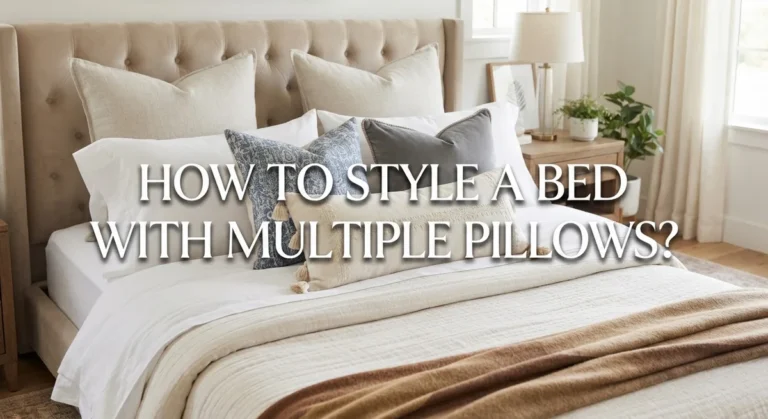
Your bedroom benefits from the same approach. Layer your bedding with a cotton sheet, a linen duvet, a wool throw at the foot, and textured decorative pillows at the headboard. This creates the inviting, sink into bed feeling that hotels use to make you feel pampered.
Pros: Texture layering is affordable, reversible, and easy to change seasonally. It works in every room. Cons: Too many textures without a cohesive color scheme can look chaotic. Stick to a limited palette and vary the fabrics instead.
Bring in Natural Materials Like Wood, Stone, and Rattan
Modern homes tend to favor manufactured materials. Adding natural ones creates an immediate contrast that reads as warm. Wood, stone, rattan, jute, leather, and linen connect your space to the natural world and counterbalance the sleekness of glass and metal.
Wood is the most versatile option. A reclaimed wood coffee table, floating wood shelves, or a live edge dining table can transform a room. Warm and medium wood tones like walnut, oak, and cherry are trending right now, replacing the lighter and cooler tones that dominated previous years.
Rattan and wicker bring a casual, handcrafted quality. Use them in light fixtures, baskets, chair frames, or mirror frames. Stone introduces a grounding element. A natural stone countertop, a stone vase, or even a few decorative river rocks on a shelf add weight and organic character.
Jute and sisal rugs are perfect for modern spaces. They add texture underfoot without adding visual clutter. Leather ages beautifully and develops a patina over time, making it both a practical and an aesthetic choice for sofas, chairs, or ottomans.
Pros: Natural materials age gracefully, are often durable, and bring authenticity that synthetic materials cannot replicate. Cons: Some natural materials require more maintenance. Real wood can scratch. Stone can stain. Rattan can break if not cared for.
Use Warm, Layered Lighting Instead of Harsh Overheads
Lighting is one of the most overlooked factors in creating a cozy atmosphere. A single overhead light is the enemy of coziness. It casts flat, uniform light that eliminates shadows and depth, making a room feel like an office or a hospital.
The solution is layered lighting. Combine ambient, task, and accent lights at different heights throughout the room. A floor lamp in one corner, a table lamp on a side table, and a few candles on the mantel create pools of warm light that draw you in.
Bulb color temperature matters enormously. Choose bulbs rated at 2700K for a warm, golden glow. Anything above 4000K will give a bluish, clinical light. Install dimmer switches wherever possible. The ability to lower light levels in the evening transforms the mood of a room instantly.
Candles deserve special mention. They produce the warmest light available and add a flickering quality that no electric light can match. Place them in groups on coffee tables, mantels, and bathroom counters. Scented candles add another sensory layer.
Pros: Good lighting is relatively inexpensive and makes an immediate difference. Dimmers give you control over mood at any time. Cons: Layered lighting requires multiple fixtures, which means more cords and outlets to manage. Candles pose a fire risk and need supervision.
Add Indoor Plants and Greenery to Every Room
A room with plants never feels cold. Living greenery adds color, texture, organic shape, and a sense of vitality that no artificial object can replicate. Plants soften hard edges, fill awkward empty spaces, and bring a sense of calm.
Large floor plants like fiddle leaf figs, monstera, or birds of paradise create dramatic focal points. Trailing plants like pothos or string of pearls work well on shelves and in hanging planters. Small succulents and herbs add life to kitchen counters and bathroom windowsills.
You do not need a green thumb to benefit from plants. Many popular houseplants are extremely low maintenance. Snake plants, ZZ plants, and pothos thrive in low light and need watering only every week or two. If live plants truly are not for you, high quality faux plants have improved dramatically and can fill the same visual role.
Beyond potted plants, consider bringing in branches, dried grasses, and eucalyptus sprigs. These add organic elements without any watering schedule. A tall vase with dried pampas grass in a corner or a bundle of eucalyptus hanging in your shower adds natural beauty with zero upkeep.
Pros: Plants improve air quality, reduce stress, and cost very little. They are easy to move and rearrange. Cons: Live plants require some care and can attract insects. Some plants are toxic to pets. Faux plants collect dust.
Create Defined Zones in Open Floor Plans
Open floor plans are common in modern homes. They feel spacious and airy, but they also lack the intimate, enclosed feeling that coziness requires. The solution is to create smaller zones within the larger space without building actual walls.
Area rugs are the easiest way to define zones. Place a large rug under your living room seating area to anchor it. Use a different rug under the dining table. Each rug signals a separate space with its own purpose and personality.
Furniture arrangement helps too. Position your sofa with its back to the dining area instead of pushing everything against the walls. Use bookshelves, console tables, or tall plants as room dividers. These pieces create visual separation while keeping sightlines open.
Lighting differences between zones reinforce the effect. Pendant lights over the dining table, floor lamps in the reading nook, and under cabinet lighting in the kitchen give each area its own atmosphere. This prevents the flat, everything looks the same problem of open spaces.
Pros: Zones make large spaces feel purposeful and intimate. You gain the function of multiple rooms while keeping an open layout. Cons: Poor zone definition can make a space feel cluttered or disjointed. Careful planning of scale and flow is essential.
Mix Curved Shapes with Straight Lines
Modern design leans heavily on straight lines and sharp angles. Introducing curves softens the visual feel of a room and creates a more organic, welcoming atmosphere. This is one of the top interior design trends for 2026, with curved sofas, arched mirrors, and rounded furniture appearing in homes everywhere.
A round coffee table in front of a rectangular sofa creates a pleasing contrast. An arched mirror above a straight console table draws the eye and adds character. Scalloped edges on shelving, rounded chair backs, and circular pendant lights all contribute to a softer overall feel.
Curves do not need to be dramatic to work. Even subtle choices make a difference. A vase with a rounded shape, a bowl on the kitchen counter, or a circular area rug in the entryway introduce gentle curves that break up the rigidity of modern lines.
The organic modern trend embraces this idea fully. It pairs clean modern architecture with natural, curved forms found in wood grain, rounded stone, and handcrafted ceramics. This balance creates spaces that feel both polished and lived in, which is exactly what cozy modern design is about.
Pros: Curved shapes add visual interest and create flow. They make spaces feel less rigid. Cons: Curved furniture can be harder to find and sometimes more expensive. Rounded pieces may not fit efficiently against straight walls.
Use Warm Metals and Soft Hardware
The hardware and metal finishes in your home contribute more to the overall mood than most people realize. Cool metals like polished chrome and stainless steel reinforce a cold, clinical feel. Warm metals do the opposite.
Brass, gold, copper, and bronze tones add richness and warmth to any room. Swap out chrome cabinet pulls for brushed brass ones. Replace shiny bathroom fixtures with matte gold or oil rubbed bronze. These small changes cost relatively little but shift the entire feel of a space.
Unlacquered brass is a popular choice right now because it develops a natural patina over time. This aging process adds character and an antique quality that makes a modern space feel more personal and less like it came out of a catalog.
Mix metals intentionally for a layered look. A brass pendant light, a copper vase, and bronze drawer pulls in the same room create depth. The old rule of matching all metals is outdated. Today’s designers mix two to three metal tones per room for a collected, intentional appearance.
Pros: Metal swaps are easy DIY projects with high visual impact. Warm metals complement natural materials beautifully. Cons: Warm metals can clash with existing cool toned appliances. Some finishes like unlacquered brass require occasional cleaning.
Display Personal and Meaningful Items
A perfectly styled room from a catalog may look good in a photo, but it does not feel like home. Personal items give a space soul. Family photos, travel souvenirs, inherited objects, children’s art, and handmade ceramics tell your story and create emotional warmth that no design trick can replicate.
The key is curation over clutter. Choose a few meaningful items and display them together in a vignette. A small grouping on a shelf, a gallery wall of family photos, or a collection of ceramics on a mantel creates a focal point that feels intentional.
Books are powerful coziness tools. Stack them on coffee tables, line them on shelves, and pile them on nightstands. They add color, texture, and the promise of a quiet evening at home. A room with books feels like a room where people actually live and relax.
Rotate your displays seasonally. In autumn, add warm toned candles and dried botanicals. In winter, bring out heavier throws and lanterns. In spring, switch to fresh flowers and lighter textiles. This keeps your home feeling alive and connected to the time of year.
Pros: Personal displays make your home unique and emotionally rich. They cost nothing if you use items you already own. Cons: Too many personal items creates visual clutter. Edit ruthlessly and group items in odd numbers for the best effect.
Invest in Comfortable, Inviting Furniture
Modern furniture often prioritizes appearance over comfort. Low profile sofas with thin cushions and rigid dining chairs look sharp but do not invite you to sit down and stay. Cozy design requires furniture that welcomes your body, not just your eyes.
Choose sofas and chairs with deep seats, plush cushions, and soft upholstery. Slipcovered furniture in cotton or linen looks modern and relaxed at the same time. Add an ottoman or a pouf for extra seating that doubles as a footrest.
Scale matters for coziness. Oversized pieces in a small room feel enveloping. A large, deep sectional in a living room encourages lounging. A reading chair with wide arms and a high back creates a personal retreat within a larger space.
Pay attention to the height of your seating. Very low modern sofas can be hard to get into and out of. A slightly higher seat with a gentle recline offers both comfort and good posture. Test furniture in person whenever possible before you commit.
Pros: Quality comfortable furniture lasts for years and improves daily life at home. It becomes the center of family activities. Cons: Truly comfortable modern furniture can be expensive. Deep couches require more space than streamlined alternatives.
Hang Curtains and Window Treatments
Bare windows are common in modern homes. They maximize natural light and show off clean lines. But they also feel exposed, cold, and uninviting, especially after dark when windows become black mirrors reflecting empty rooms.
Curtains add softness, texture, color, and privacy all at once. Hang them from ceiling height, even if your windows are shorter, to create the illusion of taller ceilings and a more dramatic, enveloping effect.
Choose fabrics that complement your cozy vision. Linen curtains filter light beautifully and add a relaxed look. Velvet curtains feel luxurious and add serious warmth. Cotton curtains offer a clean, casual feel. Layering curtains over wooden blinds adds even more texture and depth.
For rooms where you want to maintain the modern look, try sheer curtains. They soften the window without blocking light. In bedrooms, blackout curtains in a warm color serve double duty: they improve sleep quality and add coziness.
Pros: Curtains are affordable, easy to install, and transform a room instantly. They improve insulation and reduce energy costs. Cons: Curtains can collect dust and need regular washing or dry cleaning. They may block views in rooms with beautiful scenery.
Use Scent to Create an Emotional Connection
Coziness is not only visual. Your sense of smell has a direct connection to emotion and memory, making scent one of the most powerful tools for creating a warm atmosphere. A home that smells good feels good, period.
Candles are the most popular option. Vanilla, cinnamon, cedar, sandalwood, and fresh linen are classic cozy scents. Place them in rooms where you spend the most time. Light them during evening routines to create a ritual that signals relaxation.
Essential oil diffusers offer a flame free alternative. They run quietly, last for hours, and let you customize your scent. Reed diffusers in bathrooms and entryways provide constant, subtle fragrance without electricity.
Fresh scents from the kitchen count too. Baking bread, simmering spices, or brewing coffee fills your home with aromas that trigger comfort on a deep level. On a Sunday morning, the smell of fresh pancakes does more for coziness than any throw pillow ever could.
Pros: Scent creates instant mood change and adds a sensory layer that most people overlook. It costs very little. Cons: Synthetic fragrances can trigger headaches or allergies. Choose natural options and keep rooms ventilated.
Keep Spaces Clutter Free but Not Empty
There is a fine line between minimal and sterile. Modern homes that are too sparse feel like museums. The goal is clutter free but not empty. Every surface should have a purpose, but not every surface needs something on it.
Create intentional vignettes in key spots. A console table might hold a ceramic vase, a small plant, and a stack of books. A kitchen counter might have a wooden cutting board, a fruit bowl, and a jar of utensils. These groupings feel purposeful rather than cluttered.
Follow the rule of threes. Group decorative items in sets of three at varying heights for visual interest. A tall vase, a medium candle, and a small decorative object create a triangle that the eye finds satisfying and natural.
Leave plenty of open surface area. A coffee table with one tray of styled items and the rest clear looks intentional. A shelf that is 70% filled and 30% empty feels curated. The breathing room between objects is what keeps the space feeling modern while the objects themselves add warmth.
Pros: Vignette styling adds personality without mess. It is easy to refresh and update seasonally. Cons: Maintaining the balance requires discipline. It is tempting to add “just one more thing” until the clutter returns.
Embrace Warm Flooring and Rugs
Flooring covers the largest surface area in any room, which makes it one of the biggest factors in how a space feels. Hard floors like concrete, tile, and stone look modern but feel cold underfoot. Rugs solve this problem immediately.
Large area rugs anchor furniture groupings and add warmth both visually and physically. Choose wool, cotton, or jute rugs in warm tones. A rug should be large enough that all major furniture pieces in a seating area sit on it or at least have their front legs on it. An undersized rug looks like an afterthought.
Layering rugs is a growing trend. Place a smaller patterned rug on top of a larger neutral one for added depth and interest. This works especially well in living rooms and bedrooms where you want a rich, collected look.
If you are renovating, consider warm toned hardwood or engineered wood floors. Medium oak, walnut, and hickory in warm finishes create a foundation that supports coziness in every room without any additional rugs or styling.
Pros: Rugs are removable, replaceable, and available at every price point. They reduce noise and add insulation. Cons: Rugs on hard floors can slip without a grip pad. Large quality rugs can be a significant investment.
Frequently Asked Questions
What is the easiest way to make a modern home feel cozy on a budget?
The easiest and most affordable change is lighting. Replace cool white bulbs with warm 2700K bulbs, add a few inexpensive table or floor lamps, and use candles. Then layer in throw blankets and pillows from your existing collection or a discount retailer. These two changes, better lighting and added textiles, create the biggest impact for the smallest cost. A warm toned area rug is the next best investment if your budget allows.
Can I keep a minimalist style and still have a cozy home?
Absolutely. The key is choosing fewer items but making each one count for warmth. A single high quality wool throw on a clean sofa adds more coziness than a dozen cheap decorations. Focus on texture, warm colors, and natural materials within a minimal framework. This approach is called “warm minimalism” and it is one of the most popular design trends right now.
What colors make a modern home feel cozy?
Warm neutrals are the safest choice. Cream, taupe, greige, soft camel, and oatmeal create a warm foundation. For accents, muted earth tones like olive green, terracotta, dusty blue, and warm mustard add depth. Avoid pure white and cool gray as your dominant wall colors, as they tend to make spaces feel clinical even with warm furnishings.
How many textures should I use in one room?
Aim for at least three to five different textures per room. For example, a living room might include a linen sofa, velvet pillows, a wool throw, a jute rug, and a wooden coffee table. The variety gives your eye and hands something interesting to engage with. Too many identical textures make a room feel flat, while too many competing ones can overwhelm the space.
Do plants really make a room feel cozier?
Yes. Plants add life, color, and organic shapes that soften the rigidity of modern design. Research also shows that indoor plants reduce stress and improve mood, which directly contributes to how comfortable you feel in a space. Even a single large plant in a corner or a few small ones on a shelf can noticeably change the atmosphere.
What type of lighting is best for a cozy atmosphere?
Warm, diffused lighting at 2700K color temperature is ideal. Avoid overhead spotlights and fluorescent tubes. Instead, use table lamps, floor lamps, wall sconces, and candles placed at different heights around the room. Dimmer switches give you the ability to adjust brightness throughout the day, lowering light levels in the evening for maximum coziness.

Phil is the founder and creative mind behind Aesthetic Space Finds, a home decor enthusiast dedicated to helping people transform their living spaces through honest product reviews, in-depth comparisons, and expert buying guides. With a keen eye for design and a passion for discovering hidden gems in the world of home accessories, Phil curates content that makes stylish, functional living accessible to everyone.