
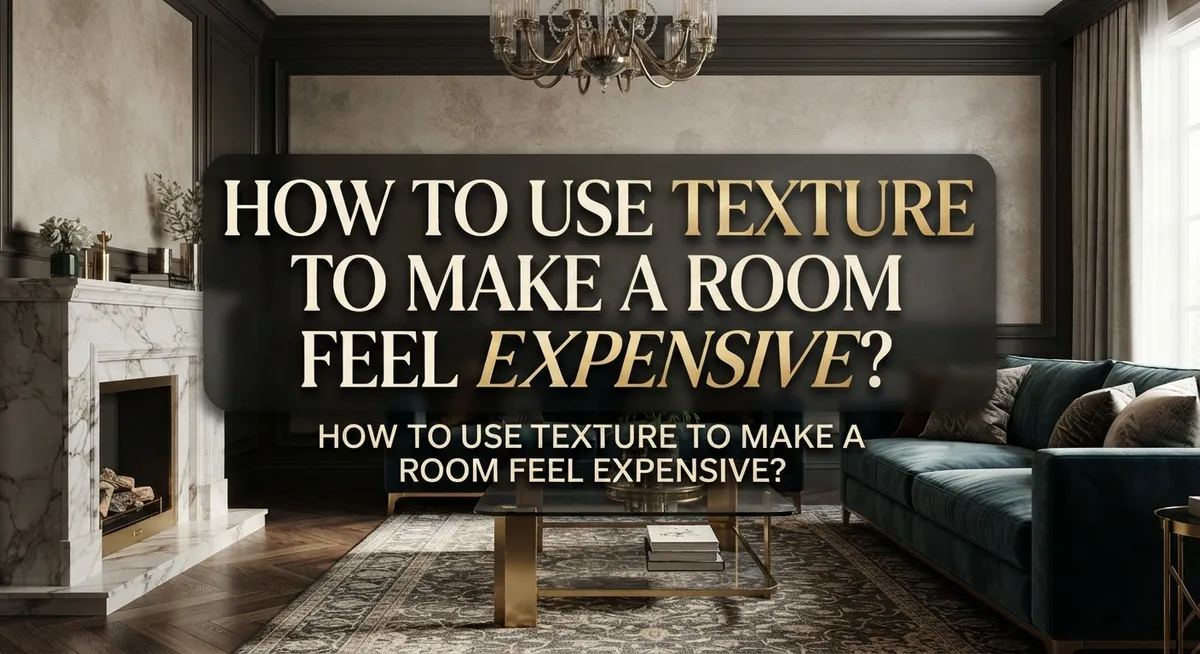
How to Use Texture to Make a Room Feel Expensive?
Have you ever walked into a room and felt like it belonged in a magazine? Chances are, texture played a big role in that feeling.
Texture is a secret weapon in home design. It turns a flat, boring space into something rich and inviting. You don’t need a huge budget to make this happen.
Think about a plush velvet pillow or a soft cashmere throw. These small details add depth to any room. They also make a space feel put together and intentional.
Many people focus only on color or furniture. But texture is what makes a room feel truly expensive. It adds warmth, comfort, and visual interest all at once.
In this article, we will show you how to use texture to elevate any space. You will learn simple layering tricks and easy fixes for common mistakes.
We will also share tips on choosing the right materials. By the end, you will know how to create a luxurious look without spending a fortune.
Let’s get started on making your home feel more expensive today!
In a Nutshell
Texture can turn a plain room into a rich looking space. Here is a quick summary of the key points to remember.
-
Layering is everything. Mix soft fabrics like velvet and cashmere with rougher materials like hair on hide rugs. This creates depth and makes a room feel put together.
-
Floor coverings matter. A good rug adds warmth and softness underfoot. It also grounds the whole room and makes it feel finished.
-
Variety beats matching. Combining different textures, smooth, rough, soft, and structured, creates a more interesting and expensive look than sticking to one type.
-
Quality over quantity. Choose well made textured pieces instead of piling on too many items. This keeps the space feeling elevated, not cluttered.
-
Consistency is key. Spread texture evenly through the room. Avoid clumping all your textured pieces in one corner.
-
Small changes, big impact. You do not need a huge budget. Simple textured additions can make your home feel luxurious almost instantly.
Why Texture Is the Secret to Luxurious-Feeling Rooms
Texture works like magic in interior spaces. It catches light, creates depth, and makes rooms feel intentional. Luxury rooms always feature layered textures because this approach signals quality and thoughtfulness.
Your brain registers texture as a sign of value. When you touch a soft fabric or see varied surfaces, your mind connects these details to expensive design. This happens even if the actual cost was modest. Texture does the heavy lifting that color alone cannot achieve.
Think about how different materials interact. Smooth surfaces next to rough ones create visual interest. Your eye travels across the space instead of stopping flat. This movement makes rooms feel larger and more sophisticated.
Texture also affects how a space feels to your body. Soft textures invite you to sit down and stay longer. Rough textures add character and prevent spaces from feeling sterile. Together, they create an environment that feels both welcoming and refined.
The best part? You can add texture without major renovations. Swapping out pillows, adding a new rug, or draping a throw blanket instantly changes a room’s feel. These small additions cost far less than repainting or replacing furniture.
Texture communicates luxury through sensory experience. Unlike color, which fades into the background once you get used to it, texture stays interesting. You notice it when you walk past. You feel it when you touch surfaces.
High end hotels and luxury homes all share this secret. They layer textures deliberately. Every fabric, every surface, every material serves a purpose. This intentionality is what makes spaces feel expensive.
You do not need designer labels or premium price tags. Quality textured materials at any price point elevate perceived value. The key is choosing pieces that feel substantial and look well made. When texture is done right, every room transforms into a space that feels like it costs far more than it actually does.
Understanding the Different Types of Texture
Texture comes in many different forms, and understanding each type helps you make smart choices for your space. Let’s break down the main categories so you can see how they work together.
Soft textures include materials like velvet, silk, linen, and wool. These fabrics feel smooth or plush against your skin. They absorb light and create a cozy, inviting feeling. Soft textures signal comfort and luxury.
Rough textures are the opposite. Hair on hide, jute, burlap, and raw wood surfaces have a grainy or uneven feel. These materials reflect light differently and add visual interest. Rough textures ground a space and prevent it from feeling too delicate.
Smooth textures include polished marble, glass, and sleek metal. These surfaces are flat and reflective. They feel modern and crisp. Smooth textures work well in contemporary rooms but need balance with softer elements.
Structured textures are created by patterns and weaves. Think of ribbed fabrics, knitted throws, or woven wall hangings. These add dimension without being rough. Structured textures create rhythm and movement in a room.
The key is understanding that each texture serves a purpose. Soft textures make spaces feel warm. Rough textures add character. Smooth textures bring sophistication. Structured textures create visual rhythm.
Most expensive looking rooms use all four types together. A room with only soft textures feels flat. A room with only rough textures feels harsh. The magic happens when you combine them thoughtfully.
Start by identifying what textures already exist in your room. Do you have smooth surfaces? Soft fabrics? Once you see the gaps, you can add what’s missing. This approach ensures your space feels intentional and layered, which is exactly what luxury design looks like.
Step-by-Step: Layering Textures for Maximum Impact
Start with what you already have in your room. Look at your furniture, walls, and flooring. You probably have some textures already present. This is your foundation for layering.
Next, identify the gaps. If your room feels flat, you’re missing texture variety. A room with only smooth surfaces feels cold and basic. Add one contrasting texture at a time so you don’t overwhelm the space.
Begin with large pieces first. Your rug or area rug sets the tone for texture. Choose something substantial that anchors the room. This might be a woven natural fiber or a plush material. Let this piece guide your other choices.
Move to soft textiles next. Pillows and throws are easy to add and remove. Layer them on seating areas. Mix a smooth fabric with a bumpy one. Combine a soft material with something structured. This creates depth and interest.
Don’t forget vertical surfaces. Curtains and wall hangings add texture you can see and feel. Linen drapes catch light differently than silk. Woven wall hangings add dimension without taking up floor space.
Add smaller textured accessories throughout. Baskets, decorative objects, and books contribute texture too. These items fill empty corners and shelves naturally.
Step back and assess. Does the room feel cohesive? Textures should flow together, not fight each other. You want variety, not chaos.
The key is gradual layering. Don’t add everything at once. Build your textured environment slowly. This approach lets you see what works and what doesn’t. Each layer you add should enhance what’s already there.
Remember, expensive rooms feel intentional. Every texture serves a purpose. Your layering should look like a deliberate design choice, not random decoration.
Choosing the Right Textures for Each Room
Choosing the right textures for each room requires understanding how different spaces function and what materials work best in those environments.
Your bedroom benefits from soft, touchable textures. Think about fabrics like velvet, cashmere, and linen. These materials feel luxurious against your skin and signal quality to visitors. Layer a silk pillowcase with a wool throw blanket. Add a plush area rug underfoot. The combination creates a cocoon effect that feels expensive and inviting.
Living rooms demand mixed texture variety. This space needs both soft elements and structured pieces. Combine a smooth leather sofa with rough woven pillows. Add a polished metal side table next to a textured wall hanging. This contrast keeps the room visually interesting and sophisticated.
Kitchens and bathrooms require practical texture choices. Select materials that withstand moisture and daily wear. Smooth marble countertops paired with natural stone tiles create luxury without sacrificing function. Add a textured towel or two for warmth. Avoid fabrics that absorb water or trap odors.
Dining areas thrive on formal texture combinations. A sleek glass or polished wood table works well with structured linen chairs. Layer in a patterned area rug underneath. Add soft napkins and a textured table runner. This creates an intentional, upscale atmosphere for meals.
Home offices benefit from balanced texture mixing. Combine smooth wood desks with soft area rugs and structured wall panels. This prevents the space from feeling too cold or too casual. A quality throw blanket on your chair adds both comfort and visual interest.
The key is matching textures to room function. Bedrooms prioritize comfort. Living spaces celebrate variety. Kitchens and bathrooms need durability. Dining areas demand formality. Offices require balance.
Start by assessing what each room needs beyond just looking expensive. The most successful rooms feel expensive because they’re thoughtfully designed for actual living. When textures serve both beauty and purpose, luxury naturally follows.
Balancing Texture with Color and Light
Texture alone won’t create a luxurious room. You need to balance it with color and light to make everything work together beautifully.
Color acts as the foundation for your textured elements. When you layer rich textures over muted, neutral colors, those textures become the stars of the show. Think cream walls with a chunky knit throw or soft gray surfaces with silk cushions. The texture pops because the color doesn’t compete for attention.
Bright, bold colors can overwhelm textured surfaces. Your eye gets confused trying to process both the color intensity and the texture detail at once. This makes the room feel chaotic instead of expensive. Stick with colors that let your textures shine through.
Light transforms everything you’ve layered. Natural light reveals texture beautifully during the day. A velvet sofa shows its depth and dimension in sunlight. Artificial lighting matters just as much. Warm, soft lighting makes rough textures feel inviting. Cool, harsh lighting can make the same textures look cold and uninviting.
Position your light sources strategically. Side lighting and uplighting highlight texture better than direct overhead light. This creates shadows and dimension that expensive rooms always have.
Pay attention to how light hits your textured surfaces at different times. Morning light might make your woven rug glow. Evening light might create interesting shadows on your stone accent wall. This variation keeps the room interesting and intentional looking.
Balance matte and reflective textures too. If everything absorbs light, the room feels flat and heavy. Mix in some shiny elements like mirrors or polished metals. They bounce light around and prevent the space from feeling too dense.
The magic happens when color, light, and texture work as a team. Each element supports the others. Your textured surfaces become visible and valuable. Your colors feel sophisticated. Your lighting enhances everything. This combination signals luxury without screaming it.
Common Mistakes to Avoid When Layering Textures
Layering textures sounds simple, but several mistakes can actually make your room look cheaper instead of more expensive. Understanding what to avoid is just as important as knowing what to do.
Overdoing one texture is a common pitfall. When you use too much velvet, too much leather, or too much of any single material, the room feels one-dimensional. Luxury spaces mix different textures intentionally. They combine soft with rough, smooth with structured. This variety creates visual interest and depth.
Ignoring quality matters significantly. A cheap velvet pillow won’t read as luxury, no matter how well you layer it. The texture itself must feel good and look refined. Run your hand across materials before committing. Quality textures have a presence that inexpensive ones simply don’t match.
Skipping vertical surfaces is another mistake people make. Many focus only on floors and furniture while leaving walls bare. Textured wall coverings, tapestries, or even textured paint finishes add richness. Your eyes need texture at multiple heights to feel the space is expensive.
Applying textures randomly across your room creates chaos rather than luxury. Expensive rooms feel intentional. Place textures thoughtfully. Anchor your space with larger textured pieces first, then build around them. This creates a cohesive story rather than scattered attempts.
Forgetting about proportion also hurts your design. Tiny textured accessories scattered everywhere look fussy, not fancy. Use appropriately sized pieces that make sense for your room dimensions. A small throw on a large sofa disappears. A large rug in a tiny space overwhelms.
Mixing too many competing textures confuses the eye. Stick to three or four main textures per room. Let them complement each other. This restraint actually signals sophistication and expense. Your room will feel curated rather than cluttered.
Troubleshooting a Room That Still Feels Flat
When a room still feels flat despite your texture efforts, the issue usually comes down to insufficient layering or poor placement choices. A truly luxurious space requires multiple texture types working together, not just one or two scattered around.
Start by evaluating your current setup. Count how many different textures you’ve actually introduced. Most flat rooms are missing at least two or three texture categories. You might have soft fabrics but lack hard surfaces. Or you have rugs and pillows but nothing on your walls or shelving.
Depth comes from contrast. Place rough textures next to smooth ones. Pair shiny finishes with matte surfaces. This interplay makes your eye move around the room and creates visual interest. A flat room often has textures that blend together too much.
Check your texture quality next. Cheap, thin fabrics read as budget friendly, not luxurious. Even if you’re working with limited funds, investing in fewer high quality textured pieces beats filling your space with low quality materials. One excellent velvet pillow outperforms five thin, synthetic ones.
Location matters tremendously. Textures clustered in one corner won’t transform your space. Spread them throughout. Place textured elements at different heights. Use them on furniture, walls, floors, and accessories. This distribution makes the entire room feel intentional and expensive.
Consider the scale and proportion of your textures too. Large textured pieces work in spacious rooms. Smaller spaces need finer textures that don’t overwhelm. A chunky knit throw looks cozy in a big living room but cramped in a small bedroom.
Finally, step back and observe how light interacts with your textures throughout the day. Textures that look dull in one lighting condition might shine beautifully in another. Adjust placement if needed. The goal is creating a space where every texture serves a purpose and catches the light in interesting ways.
Final Thoughts
Texture truly changes how a room feels. It turns a plain space into one that feels rich and inviting.
You don’t need a big budget to make this happen. Small changes like adding a chunky knit throw or a woven basket can make a huge difference.
The secret lies in layering different textures thoughtfully. Mix smooth surfaces with rough ones. Pair soft fabrics with hard materials.
Remember that quality matters more than quantity. A few well chosen textured pieces work better than many cheap ones scattered around.
Take time to look at your room from different angles. Notice how light hits your textured surfaces throughout the day. This helps you spot areas that need more depth.
Every room has different needs when it comes to texture. Your bedroom needs cozy, soft textures. Your living room can handle bolder, more dramatic choices.
Start small if you feel unsure. Add one textured item at a time. See how it changes the feel of your space before adding more.
Trust your eyes as you build up layers. If something looks off, it probably is. Step back often and assess your progress.
Texture works together with color and light to create a complete look. None of these elements work alone. They need each other to create real luxury.
The most expensive looking rooms often use simple, thoughtful texture choices. They don’t rely on flashy or costly items. Instead, they focus on balance and intention.
Keep experimenting until you find what works for your space. Every room is different, and what looks amazing in one space might not work in another.
With patience and attention to detail, you can transform any room using texture alone. The results will surprise you, and your space will feel far more expensive than it actually cost.
Frequently Asked Questions
What’s the best way to start adding texture if I have a tight budget?
Begin with affordable items that deliver high impact. Focus on layered fabrics like throw pillows, blankets, and rugs. These pieces cost less than furniture but create significant visual richness. Look for natural materials such as linen, cotton, and wool. Even budget friendly versions of these materials read as luxurious when layered together.
Can I use texture in a small room without making it feel cramped?
Yes, texture actually works well in small spaces. The key is choosing varied but cohesive textures that don’t overwhelm the eye. Use lighter colored textured items to keep the space feeling open. Velvet cushions paired with a smooth throw and a subtle woven rug create depth without clutter. Vertical textures like wall hangings also add interest without taking up floor space.
How often should I update or change the textures in my room?
You don’t need frequent changes. Quality textured pieces last for years when chosen thoughtfully. Update textures seasonally if you want variety. Swap lightweight linen throws for heavier cashmere in winter, then reverse the switch in spring. This keeps your room feeling fresh without constant expense or effort.
Which textures work best together for a luxury feel?
Combine contrasting textures for maximum impact. Pair smooth velvet with rough jute, soft cashmere with crisp linen, or sleek leather with plush wool. The contrast creates visual interest and signals intentional design. Aim for three to four different textures in a room rather than matching everything. This balance feels curated and expensive.

Phil is the founder and creative mind behind Aesthetic Space Finds, a home decor enthusiast dedicated to helping people transform their living spaces through honest product reviews, in-depth comparisons, and expert buying guides. With a keen eye for design and a passion for discovering hidden gems in the world of home accessories, Phil curates content that makes stylish, functional living accessible to everyone.


