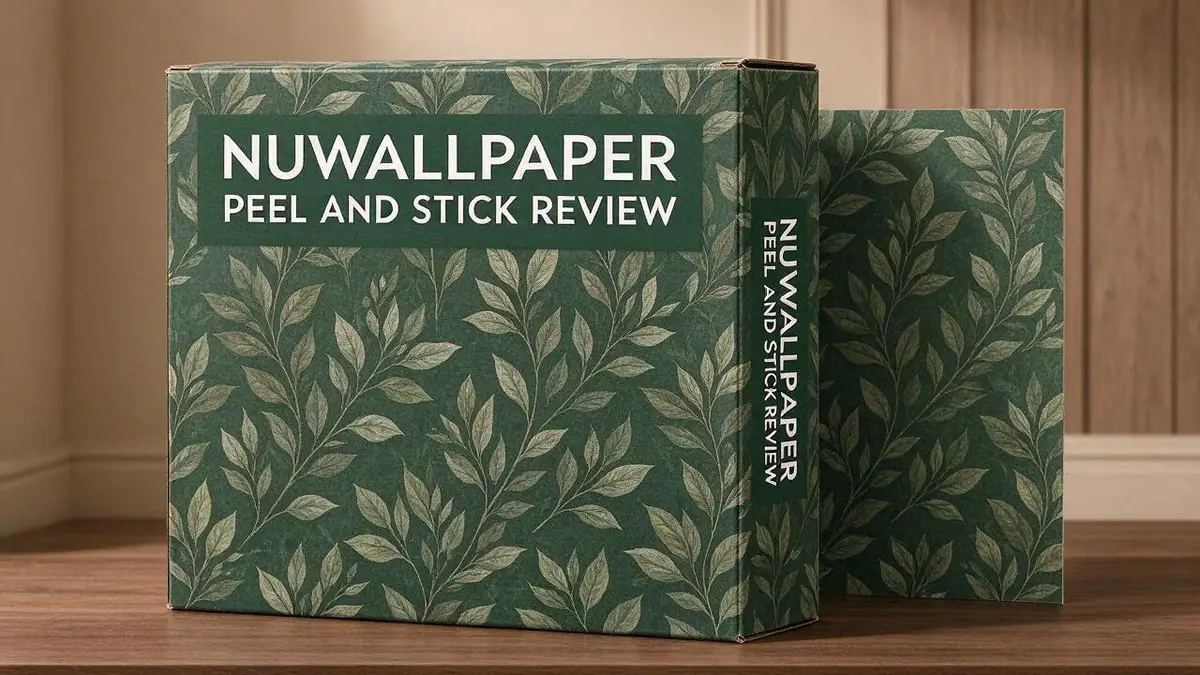
NuWallpaper Peel and Stick Review: Design, Installation, and Removal Tested
Tired of the same plain walls? A peel and stick wallpaper can change a room in one afternoon. Many renters and homeowners now look for easy ways to add personality without a big mess.
NuWallpaper peel and stick is a popular choice from WallPops. Each roll covers about 30.75 square feet. You can remove it later without leaving sticky residue behind.
The best part is the repositioning. You can adjust the panel during install, which helps if you make a mistake. Still, many shoppers find peeling and hanging tricky, so take your time.
Keep reading to see the full pros, cons, and top alternatives. You will learn if this wallpaper fits your space and your style.
In a Nutshell
-
Made for renters: NuWallpaper is marketed as safe for walls, so it suits people who rent. This makes it a handy option when you want a fresh look without a long-term change.
-
Clean removal: The wallpaper peels off and leaves no sticky residue behind. Your walls stay clean when you decide to switch styles, which saves time on repairs.
-
Check your coverage: Each roll lists a size of 30.75 square feet. Measure your wall first so you know how many rolls you need.
-
Hanging can be tricky: Many people find peel and stick hard to line up straight. Some users also say the material can expand after install, so take your time.
-
Peeling takes patience: Reviewers note that peeling can be tough. One tip suggests using an X-Acto knife to lift the edge gently.
-
Other options to compare: Tempaper and Chasing Paper sell through Home Depot. Naturewall offers peel and stick wood panels for a warmer, natural feel.
Design and Pattern Selection

- Peel and stick to apply, pull up to remove. Residential Use
- NuWallpaper by WallPopsis safe for walls and leaves no sticky residue

Last update on 2026-11-15 / Affiliate links / Images from Amazon Product Advertising API
Pattern choice sets the mood of a room. A bold print can make a small powder room feel lively, while a soft texture can calm a bedroom.
Start with the style of your home. Modern spaces often suit geometric lines or clean abstract shapes. Cozy rooms often suit florals, botanical leaves, or warm wood grain.
Pay attention to scale. Large patterns work well on big walls. Small prints can feel busy in a tight space.
Consider the pattern repeat. The repeat is how often the design shows up along the wall. A large repeat can look random on a short wall, so plan the layout before you peel any backing.
Match the seams carefully. Lay out the panels on the floor first. Check how each edge lines up with the next one. This step saves time and keeps the design flowing.
Test colors in your own light. Morning sun can make a blue look cool and gray. Lamps at night can warm up the same shade. Bring a sample home and check it at different times of day.
Think about the whole room. Pick one feature wall rather than covering all four. Choose colors from existing furniture, rugs, or art. A matching accent pillow can tie the look together.
Finishes matter too. Matte surfaces hide small flaws and reduce glare. Glossy looks catch light and feel more dramatic. Decide which mood you want before you choose.
Think about patterns that hide wear. Busy prints can mask scuffs in hallways and kids rooms. Solid tones show every mark more clearly.
Consider how the pattern reads from across the room. Bold graphics often look best from a distance. Fine details may disappear when you stand far away.
Try mixing patterns with care. Keep one bold print and let the rest stay calm. This balance keeps the room relaxed rather than chaotic.
Measure each wall carefully. Note windows, doors, and outlets. Sketch the layout on paper. Good planning leads to a clean result and less waste.
Finally, save a small leftover piece. It helps with future repairs. It also lets you test a spot if the color seems off.
Installation and Repositioning
Good installation starts with a clean wall. Dust and grease can stop the adhesive from holding. Wipe the surface with a damp cloth and let it dry fully.
Gather your tools before you begin. A tape measure, a level, a sharp blade, a squeegee, and a hair dryer make the job much easier. Having everything ready keeps the work smooth.
Smooth walls work best. Textured or flaky paint can lift over time. If your wall has bumps, a light sanding helps. Always test a small corner first.
Try a short test strip in a hidden spot. Wait a day to see how the adhesive holds on your paint. This simple check can save you from bigger mistakes.
Start at the top corner of the wall. Use a level or a chalk line to mark a straight guide. Keep the guide visible so each strip lines up with it.
Smooth each section from the center outward. Use a plastic squeegee or a soft cloth. This pushes out air bubbles and helps the vinyl bond. Work slowly so the material does not stretch.
Reposition early for the best fit. Adhesive grips harder over time. Shift the panel gently while it still lifts easily. Press firmly only after you confirm the position.
Corners need extra care. Cut the material a little long, then trim after it sits flat. Use a sharp blade and swap it often for clean edges.
Remove outlet covers before you start. Trim the vinyl around each opening, then replace the covers. This keeps the finish neat and secure.
Room temperature matters too. Install when the room feels mild, not hot or cold. Cold air slows adhesion, and heat can make the vinyl too soft.
Keep the room dry while you work. Moisture can weaken the grip and cause edges to lift.
Moving a panel later takes a gentle touch. Peel it slowly at a low angle. Warm the vinyl with a hair dryer on low heat. This loosens the bond and reduces tearing.
Store removed pieces flat between sheets of paper. Label each piece with its wall location. This makes a future reinstall much easier.
Removal and Wall Protection
Removal day deserves as much planning as install day. Many people skip this step, then regret it later.
Ask about your lease first. Some landlords expect walls returned in the same condition. Take photos before you start so you have proof of the original state.
Clear the room and the floor. Move furniture away from the wall before you begin. Good light helps you spot lifting corners and stray marks.
Protect your baseboards. Lay a drop cloth along the floor. Cover trim with painter’s tape so a stray edge does not scratch the paint.
Warm the vinyl before you peel. A hair dryer on low heat softens the adhesive. Keep the dryer moving so the surface never gets too hot to touch.
Choose the right tool for lifting edges. A plastic scraper or an old gift card works well. Metal tools can gouge drywall and leave dents you must fill later.
Work in short sections. Peel one panel at a time and stop often. Rest your hands and check the wall between each pull.
Watch for paper tearing. Thin drywall paper can rip when vinyl pulls too hard. If you see a tear forming, stop and press the paper back into place with a damp cloth.
Check the paint underneath. Look closely at the wall once a section comes away. Flat or weak paint can lift with the vinyl, so you may need a touch up.
Clean away any light film. Even clean removal can leave a faint haze. Wipe the wall with mild soap and water, then let it dry fully before you repaint.
Fill small nicks right away. Use spackle on any gouges and sand them smooth. A quick patch today saves you from a bigger repair later.
Think about the next layer. Bare spots may need primer so the next paint or wallpaper looks even. Ask yourself what goes on the wall next, then prep for that finish.
Finish with a final walk around the room. Look for loose corners and stray adhesive. Fixing them now is far easier than fixing them later.
Top 3 Alternatives
Want a fresh option beside Nuwallpaper? These three alternatives offer plenty of style choices. Each one works well for renters and homeowners who love easy updates.
Tempaper Removable Wallpaper

- BEAUTIFUL DESIGN: Create dreamy bohemian rooms with water-color neutral removable wallpaper featuring soft pink.
- PEEL & STICK: Ready to use, mess-free, self-adhesive wallpaper. No pastes or glues needed, and no residue left behind.
Last update on 2026-11-15 / Affiliate links / Images from Amazon Product Advertising API
Tempaper is a removable wallpaper that feels thick and sturdy on the wall. Its vinyl surface wipes clean, so it suits busy kitchens and kids’ rooms.
Installation takes just a few steps. Simply cut, peel, and smooth the panel into place. When you move out, it pulls away without damaging the paint in most cases.
RoomMates Peel and Stick

- TIN TILE BACKSPLASH - A White colorway; highlights the Tin Tile Backsplash design.
- EASY PEEL-AND-STICK APPLICATION - Simply peel away the backing, position on a clean, smooth surface and press into place...
Last update on 2026-11-15 / Affiliate links / Images from Amazon Product Advertising API
RoomMates Peel and Stick offers bright, playful designs that appeal to families. You can find everything from cartoon characters to classic stripes.
Each sheet sticks to smooth surfaces with ease. It also works on furniture, drawers, and cabinets, so you can refresh a whole room with minimal effort.
Chasing Paper Wallpaper

- 【Translucent Tracing Paper】Includes 100 sheets translucent tracing papers, enough for you to use multiple times
- 【High Quality】Our tracing paper is soft and thin paper material, high-definition transparent, fine and lightweight...
Last update on 2026-11-15 / Affiliate links / Images from Amazon Product Advertising API
Chasing Paper brings a modern and artsy look to any space. Its designs feel like real designer wallpaper, yet the install stays simple.
Many fans love the bold botanicals and graphic prints. Peel the backing, press the paper onto the wall, and smooth out any bubbles. Your room can transform in an afternoon.
Pick the style that fits your space best.
Durability and Long-Term Appearance
How well a wall holds up depends on daily life. A hallway sees more bumps than a bedroom. Each room tests the material in its own way.
Vinyl surfaces usually handle light wiping well. Gentle cleaning with a soft cloth and mild soap keeps colors bright.
Sunlight can change the look over time. Strong direct light may fade bright colors. A window wall may need a closer look after a season or two.
Humidity matters too. Bathrooms and kitchens carry steam and grease. Edges in these spaces need checks more often than dry rooms.
Edges need regular checks. Look at seams and corners every few weeks. Press down any lifting spot with a clean hand. Early fixes keep small problems from growing.
Expansion is a common concern. Reddit users say peel and stick materials can stretch over time.
This criticism is general, not specific to NuWallpaper. Results vary by wall and climate.
Pets and children leave marks too. Sticky fingers and claws can catch the surface. Place furniture and toys with the wall in mind.
Long term results also depend on the wall beneath. Drywall that flexes or cracks can pull the vinyl with it. Fixing wall damage first keeps the surface flat for years.
Heavy furniture can leave dents in the surface. Chairs that scrape the wall often wear through the top layer. Add felt pads to furniture legs for extra protection.
Cleaning tools matter as much as cleaning products. Rough sponges and harsh scrubbers can dull the print. Soft microfiber cloths protect the surface during routine dusting.
Many people plan to refresh a room every few years. A material that lasts through that window fits the plan. Add a review date to your calendar so checks never get skipped.
Most owners find the look holds up well. Light care and quick repairs keep walls looking fresh. A simple seasonal check makes a big difference over time.
Pros and Cons
Pros
- Many shoppers find the install simple to handle at home.
- The vinyl leaves no sticky mess on the wall.
- WallPops is a known name in peel and stick decor.
- A fresh look can change the feel of a room fast.
- Many people like how little commitment it takes.
Cons
- Reddit users say peel and stick is hard to hang straight.
- This complaint applies to the whole category, not only this brand.
- Some reviewers find peeling tricky, so take your time.
- Rivals like Tempaper and Chasing Paper offer close alternatives.
Who Should Buy It
Renters are a great fit for this wallpaper. Many people cannot paint their walls, so they search for other ways to add style. This product lets them change a room without a major project. Even a short lease can feel more personal with one fresh wall.
Students and shared apartment residents often love it too. Their living spaces change often, and their décor needs to keep up. A single bold panel can make a plain bedroom feel like home.
Home sellers can use it as a quick staging tool. Buyers often respond well to a fresh, styled space. Once the home sells, the new owners can start with a clean slate.
Landlords can refresh a unit between tenants. A new accent wall can update a tired room without a full repaint. This saves time when a property needs to look its best quickly.
Seasonal decorators will enjoy the freedom to switch styles. A holiday pattern or a spring print can shift the mood of a room. Swapping designs every few months keeps the space exciting.
Small spaces benefit from one feature wall. A powder room, reading nook, or entryway can gain character with a single panel. This keeps the project small and easy to manage.
Content creators and event planners find it useful too. A bold backdrop can make a photo shoot or video call look polished. Event planners can use it for temporary displays that need to come down quickly.
Plan your color scheme before you shop. Bring fabric swatches or a paint chip to the store. Matching your existing décor keeps the room feeling cohesive.
Some shoppers should look elsewhere. Homeowners who want a permanent feature may prefer traditional wallpaper or paint. People who need a finish that lasts for decades should compare other options first.
In short, this product suits people who value flexibility. Renters, students, and decorators who enjoy change will likely feel at home with it.
Final Verdict
So, is NuWallpaper Peel and Stick worth trying? For most people, the answer is yes. It gives a fast and simple way to refresh a room.
The best part is the freedom to test. You can start with one wall and see how the pattern looks in daylight. If it does not suit you, you can change course.
Still, this product is not perfect for every project. Think of the first panel as a practice run. Once you find your rhythm, the work moves much faster.
Compared with rivals, the choice often comes down to style. Tempaper and Chasing Paper sell through Home Depot, so they are easy to find. Naturewall offers wood panels, which give a warmer and more natural look.
Skip this option if you want deep texture or a fully custom finish. Peel and stick films show their best results on smooth surfaces with clean, even color.
Think about your timeline too. A short stay or a season of change fits this product well. A forever look may call for a different plan.
Before you order, measure every wall carefully. Pattern repeats can waste material, so add a little extra. Then test one roll on a hidden corner first.
Good planning also saves frustration. Keep a sharp blade, a level tool, and a soft cloth nearby. These simple items make the job smoother.
Our final take: NuWallpaper Peel and Stick works well for people who want quick change with little risk. It rewards careful planning and a calm pace. Start small, learn the feel, and then decide how far to go.
Frequently Asked Questions
Can you use it on textured walls?
Smooth walls give the best result. Heavy texture can stop the vinyl from sitting flat. Look for a spot where the wall stays clean and even. Test a small strip in a hidden corner first.
Does it hold up in kitchens and bathrooms?
Steam and moisture can loosen the edges over time. Dry rooms make a safer choice. A living room or bedroom wall works well for most people. Keep an eye on corners and seams near the sink.
Will sunlight fade the pattern?
Bright sun can slowly fade colors on any vinyl print. Rooms that face south or west get the strongest light. Close a light curtain or blind during the brightest hours. This simple habit keeps the design looking fresh longer.
Can you use it on furniture or cabinets?
Yes, many people use it on dresser fronts, drawers, and cabinet doors. Clean the surface well before you start. Dust and grease can stop the adhesive from holding. Smooth, flat fronts usually work better than carved details.
How do you line up a pattern?
Start with the top row and work slowly down the wall. Dry fit a full row first. Then match the design at each seam before pressing it flat. Pattern matching takes patience, so plan extra time for the first panel.

Phil is the founder and creative mind behind Aesthetic Space Finds, a home decor enthusiast dedicated to helping people transform their living spaces through honest product reviews, in-depth comparisons, and expert buying guides. With a keen eye for design and a passion for discovering hidden gems in the world of home accessories, Phil curates content that makes stylish, functional living accessible to everyone.