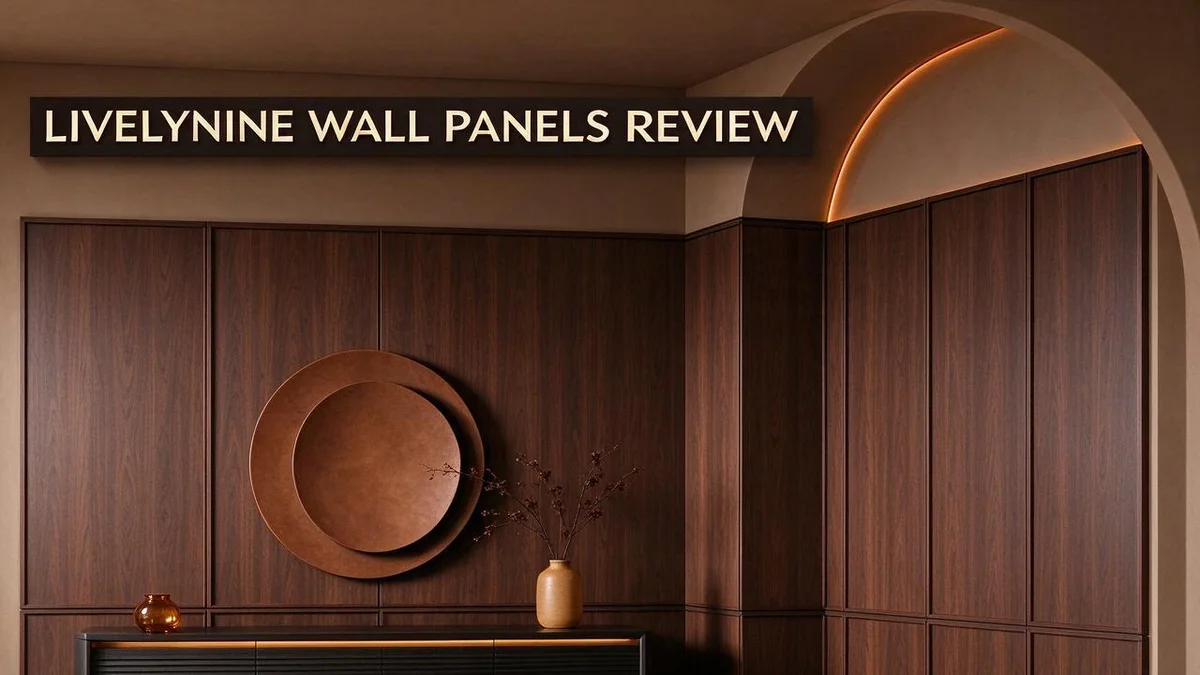
Livelynine Wall Panels Review: Peel-and-Stick Wood-Look Panels for Kitchens and Walls
Want a kitchen makeover without the mess? Livelynine wall panels might be the answer. They give your walls a fresh look in just a few steps.
Many people love the realistic wood look. Faux white wood slats and light oak finishes bring warmth to any room. Some users say the natural oak appearance feels very real.
Installation is simple. You do not need glue. Just peel, stick, and smooth the panel onto a clean surface.
The material is PVC vinyl. It resists water, splashes, and oil. That makes it a smart pick for countertops, cabinets, shelves, and walls.
Ready to see if these panels suit your space? Keep reading for the full breakdown.
In a Nutshell
- Water resistance: These panels handle splashes, moisture, and oil with ease. Your kitchen walls stay protected during busy cooking days.
- Versatile surfaces: You can apply them to countertops, cabinets, shelves, and walls. This makes one product useful in many spots around your home.
- Finish choices: Pick faux white wood slats or light oak wood. Both options fit different decor styles, from cozy farmhouse to clean modern.
- Size differences: Dimensions change between listings. Measure your wall first so you order the right amount.
- Lifespan outlook: Like most peel and stick options, these may not last as long as traditional wallpaper. Plan to replace them after several years of use.
- Downsides check: No product specific cons appear in the available details. Still, read recent customer feedback before you decide.
Material and Build Quality

- 🏠DETAILS: Size 15.8 X394 Inch , total 43.3 sq.ft(40cmX10m),Wide of wood slat: 1.42 inch. Self adhesive (no extra glue...
- 🏠DIY FREELY: Trimming gridlines on backing paper for precise measurements, cut to any sizes, self stick on any smooth...
Last update on 2026-11-15 / Affiliate links / Images from Amazon Product Advertising API
Build quality matters a lot for a kitchen wall. Daily life puts pressure on every surface. Splashes, bumps, and cleaning sprays all test the material.
The material feels solid in hand. Livelynine panels use PVC vinyl, which gives them a firm body. This body helps the panel sit flat on the wall.
Vinyl also cleans up easily. A damp cloth can lift most marks. You rarely need strong chemicals for routine care.
The wood look depends on the surface. Wood finishes use a printed design on a smooth base. This gives walls a warm style with a clean edge.
Edges need attention during installation. Press each seam firmly so the edges stay closed. Good contact protects the panel from lifting over time.
Weight matters for handling. One kitchen listing gives a weight of 1.5 lbs. That light weight makes the panels easier to lift and place.
Thickness and flexibility also affect results. Thin vinyl usually bends more easily around corners. Check the product details before you start, since listings vary.
Plan a test spot first. Place a small piece in a hidden area. Wait a day, then check how the adhesive and surface respond.
Overall, the build feels practical for busy kitchens. The vinyl material suits people who want a clean look with simple care.
Consider how the panels age. Vinyl keeps its color best when kept out of direct sun. Strong light can fade any printed finish over time.
Edges and corners need extra care. Lift a corner and smooth it down with a soft cloth. This removes trapped air and keeps the bond strong.
Think about your cabinets too. Cabinet panels face handling and frequent touch. A firm surface helps those areas look neat for longer.
Build quality also shapes your decision in simple ways. A sturdy vinyl material gives you more confidence. You can move forward with a clear view of what to expect.
Good build quality means fewer surprises later. Choose panels that match your daily habits and your kitchen layout.
Finish and Visual Realism
Finish matters most in a kitchen. Visual realism decides whether the panels look like real wood or like plastic. Livelynine offers faux white wood slats and light oak wood, so each choice creates a different mood.
Lighting changes everything. Warm bulbs make the oak tones glow, while cool daylight can flatten the grain. Check how the panel looks in your evening light before you commit.
Think about distance too. Up close, you may notice the printed pattern on a smooth base. From across the room, the grain usually reads as natural wood. Stand back and look before you decide.
Seams deserve a close look. Lining up grain across two pieces helps the wall feel continuous. Take time to match patterns at the edges, since small shifts stand out fast on a flat surface.
Your cabinets set the standard. White slats pair well with bright, airy kitchens. Light oak suits a warm room with brass or natural accents. Hold a sample against your cabinet door to compare tones side by side.
Photos can mislead. Screens often shift color, so view the finish in person when possible. Ask a friend to look at a sample too, since a second opinion catches tones you might miss.
Sheen and texture need a check. Look at the sample under direct light to judge the surface. A glossy look can reflect too much light, while a softer look often feels more like real timber.
The wood effect works best with calm surroundings. Busy patterns on tiles or a backsplash can compete with the grain. Let the panels be the main feature for a clean, cohesive look.
Realism also depends on how much wall shows. A full wall reads as wood, while a small backsplash strip may look more like a decorative accent. Decide how bold you want the effect. Start with one wall and see how it feels.
Installation and Removal
Getting ready for installation matters more than most people think. Start by wiping the wall with a damp cloth. Let it dry fully before you begin.
Gather your tools before you start. You need a tape measure, a pencil, a utility knife, and a plastic scraper. A soft cloth helps too.
Measure your space first. Mark a center line with a pencil. This line guides each panel so it stays straight.
Peel back only a small part of the backing at a time. Press the top edge into place. Then smooth the panel outward with your hand or a soft cloth.
Trim extra material with a utility knife. Cut slowly on a flat surface. A sharp blade gives clean edges.
Work with a helper when panels are long. Two people can hold a long sheet steady. This habit prevents wrinkles and bubbles.
Press out air bubbles with a plastic scraper. Work from the middle to the sides. This pushes trapped air out at the edges.
Plan your order of work. Start at the most visible wall. Finish corners last so the edges line up neatly.
Take breaks during long jobs. Fresh eyes catch crooked lines faster. Step back often to check alignment.
Removing the panels later is simple too. Peel one corner slowly. Pull the panel back at a low angle.
Warm stubborn spots with a hair dryer. Heat softens the adhesive. Then the panel lifts with less effort.
Renters often choose this method for a reason. Removal feels less stressful than tearing down paper or tile.
Check the wall after removal. Look for lifted paint or sticky residue. Wipe marks with a gentle cleaner and dry the area.
Patience helps most during removal. Quick pulls can tear the vinyl or damage the paint. Slow peeling protects both.
Keep unused panels flat and cool until you need them. Store the roll away from heat. Heat can warp the material before use.
Top 3 Alternatives
Looking for a different option than Livelynine? These three alternatives give you good choices for your walls. Each one has its own style and feel.
Art3d Wall Panels

- Superior Acoustic Performance: It is designed to provide excellent noise-cancellation capabilities, making it ideal for...
- Aesthetically Pleasing: It is not only functional but also visually appealing. The wooden slats create a natural and...
Last update on 2026-11-15 / Affiliate links / Images from Amazon Product Advertising API
Art3d offers foam wall panels with a 3D texture. They are light and easy to cut. You can install them with adhesive on most flat surfaces. The panels suit bedrooms, living rooms, and home offices. Many people like the soft look they add to a plain wall. Measure your wall first. Then order the number of panels you need.
Walplus 3D Wall Panels

- Quality Time by Quality Clock.
- Takes one AA battery - not included
Last update on 2026-11-15 / Affiliate links / Images from Amazon Product Advertising API
Walplus makes peel and stick panels with many patterns. The sticky backing makes setup quick. You do not need tools or special skills. Simply clean the wall, peel the backing, and press the panel in place. These panels work well for renters who want a fresh look without damage.
Dundee Deco Wallpaper

- EXTREMELY HIGH QUALITY - our decorative wall border is of perfect quality, made using only finest materials and...
- MADE OF BREATHABLE MATERIAL - this peel-and-stick solid wallpaper border is made of breathable material that eliminates...
Last update on 2026-11-15 / Affiliate links / Images from Amazon Product Advertising API
Dundee Deco provides wallpaper with bold colors and classic prints. Wallpaper gives a full room a new mood. It covers large areas with a seamless finish. Choose this option if you prefer a traditional style. It works best in rooms where you want a warm, cozy feel. Wallpaper also hides small wall flaws well.
Check each option against your room size and wall type before you buy. Then pick the style that fits your home best.
Durability and Moisture Resistance
Durability matters a lot in a kitchen. Steam, grease, and water splashes reach the wall every day. Livelynine panels aim to handle this daily wear.
The listing describes the material as waterproof, moisture resistant, splash proof, and oil resistant. These features matter most behind a sink or beside a stove.
Oil resistance helps when cooking sprays fat onto the surface. Grease that sits on bare paint can soak in and leave marks. A surface that repels oil gives you a little more time to wipe it away.
Water behind the panel is a different story. Waterproof describes the surface, not the wall behind it. Water that slips behind the panel can still cause trouble.
Check the wall before you start. A damp or moldy wall can keep moisture trapped under the vinyl. Dry the surface fully and fix any leaks first.
Heat and sun affect the material too. Panels near a stove or a sunny window may soften or fade over time. Keep them a safe distance from direct heat sources.
Cleaning also protects the finish. Use a soft cloth with mild dish soap and warm water. Avoid scouring pads, bleach, and strong solvents, because they can dull the printed surface.
Wipe up spills right away. Standing water gives moisture more time to work into the surface, even on a water resistant finish. A quick wipe after cooking prevents buildup over time.
Plan for a shorter lifespan than traditional wallpaper. Busy kitchens may wear the panels out sooner.
Think twice before using them in steamy bathrooms. Constant humidity can stress the adhesive over time.
Good care keeps the panels looking fresh. A dry wall, gentle cleaning, and safe placement give them the best chance to last.
Best Surfaces and Spaces
Kitchen backsplash areas make a natural first choice. The space behind the sink and stove often looks plain. Wall panels can add warmth to that spot.
Cabinet doors offer another good surface. Flat fronts take the panels well. Many people refresh older cabinets this way without replacing the cabinet boxes.
Open shelves also deserve a look. A wood effect can frame plates, jars, or books. The finish adds a cozy feel to everyday items.
Countertops are another option the listing mentions. A countertop with a wood look can become the focal point of a room.
Small kitchens gain the most visual lift. Light finishes can make tight walls feel wider. Darker oak tones can add depth to a narrow galley.
Dining nooks and hallways also suit these panels. The wood look brings a homey touch to spaces people pass through often. A single accent wall can anchor a room without overwhelming it.
Choose the finish based on the surface and room. White wood slats suit bright, airy spaces. Oak tones match warmer rooms with wood furniture.
Pantry doors and cabinet ends are small but useful targets. They let you test the look on a small scale before covering larger areas.
Furniture backs and entry walls offer fresh options too. A panel behind a sideboard can add interest with little effort. Entry walls get noticed first, so they make a strong statement.
Think about how each surface gets used every day. A backsplash sees steady activity, while a shelf sees light handling. Matching the surface to daily use keeps your plan practical.
Plan your surfaces first, then choose the look. That order keeps the project focused. Your favorite spots will shine with the right panels.
Pros and Cons
Pros
- Gives a natural oak look that fools many guests.
- Setup needs no glue, so the job feels quick.
- Several sizes help you cover walls of different shapes.
- Light finishes can make a plain wall feel fresh.
- The faux wood slats add texture without extra work.
Cons
- Listed sizes differ between sellers, so measure your wall first.
- Only a few finishes are available, such as white wood slats and light oak.
- Some listings give unclear details, so compare each one closely.
- The wood look may not suit every home style.
Who Should Buy It
Livelynine wall panels suit a few types of buyers well. Some people want a fresh look without a big project. Others want to test a style before they commit.
Renters who want a change may like these panels most. They go up without glue, so the walls stay simple to update. Always check your lease before you start.
First time DIY fans also find these panels approachable. The job needs only basic tools and a steady hand. A small wall can feel finished in a single session.
Busy households with limited weekend time can benefit too. Quick installation means less mess and fewer days with a closed room. That makes a refresh feel doable.
Students and shared flat residents often need a clean, bright update. These panels offer a way to change the space without paint fumes or drying time.
Sellers preparing a home may also want a quick upgrade. A kitchen with a wood look can make buyers pause and take notice. Small changes often shape the first impression.
Homeowners who love wood tones will enjoy the natural oak finish. It pairs well with plants, stone counters, and warm lighting. Pick the white slats if the room needs more brightness.
Shoppers on a tight schedule gain the most from the no glue setup. Start one wall in the morning and enjoy it by evening. Few other wall treatments move this fast.
Who should skip these panels? People who want a permanent finish that lasts for many years may prefer traditional materials. Anyone who expects decades of heavy wear should look elsewhere.
Buyers with a clear plan do best. Measure every wall, compare listing sizes, and choose a finish that suits the room’s light. That simple step saves frustration later.
Anyone unsure about a bold change can use these panels as a test. Try one wall first. If the look works, expand to more areas of the room.
Final Verdict
To sum things up, Livelynine wall panels offer a fast and clean refresh. They look sharp, install without fuss, and handle daily kitchen life well.
The vinyl build does most of the heavy lifting. Water, splashes, and oil wipe away with ease. That makes cleanup simple after busy meals and messy cooking days.
Compared with paint, these panels skip drying time and messy tools. That saves hours on a weekend project.
Lighting also changes how each finish looks. Test one panel in morning light and evening light before you commit to a full room.
The research does not name any cons for this brand alone. Still, the biggest trade off involves lifespan. Like most peel and stick options, these panels may wear sooner than traditional wallpaper.
Here is the bottom line. The panels suit people who want quick results and a clear visual change. They also fit anyone who likes the freedom to switch styles later.
Friends and guests often notice the change right away. A small update can make the whole room feel new again.
Look at your daily routine and cooking habits first. Those details shape the best result for your space.
In short, Livelynine wall panels make a strong case for simple kitchen upgrades. They balance a realistic wood look, easy setup, and tough vinyl material. Homeowners, renters, and DIY fans who want quick progress will likely feel happy with them. Keep your expectations realistic about lifespan, and the result should satisfy you.
Frequently Asked Questions
Can I put these panels on a kitchen countertop?
Yes, the vinyl works on countertops, cabinets, shelves, and walls. Clean the surface before you start. Smooth, dry surfaces give the best stick.
Will they hold up near the sink and stove?
They resist water, moisture, and oil, so they suit busy kitchen zones. Still, wipe up spills quickly to keep the edges neat and secure.
How do I clean them?
A soft cloth with mild soap usually does the job. Skip harsh scrubbers, because they can dull the finish over time.
How long will they last?
Expect a shorter life than traditional wallpaper. Heavy use and direct heat can wear them down faster. Plan on a refresh down the road if you want a lasting look.
Can I take them down later?
Vinyl panels like these usually lift off with care. Test a small hidden corner first, since some paints can pull away with the vinyl.

Phil is the founder and creative mind behind Aesthetic Space Finds, a home decor enthusiast dedicated to helping people transform their living spaces through honest product reviews, in-depth comparisons, and expert buying guides. With a keen eye for design and a passion for discovering hidden gems in the world of home accessories, Phil curates content that makes stylish, functional living accessible to everyone.