
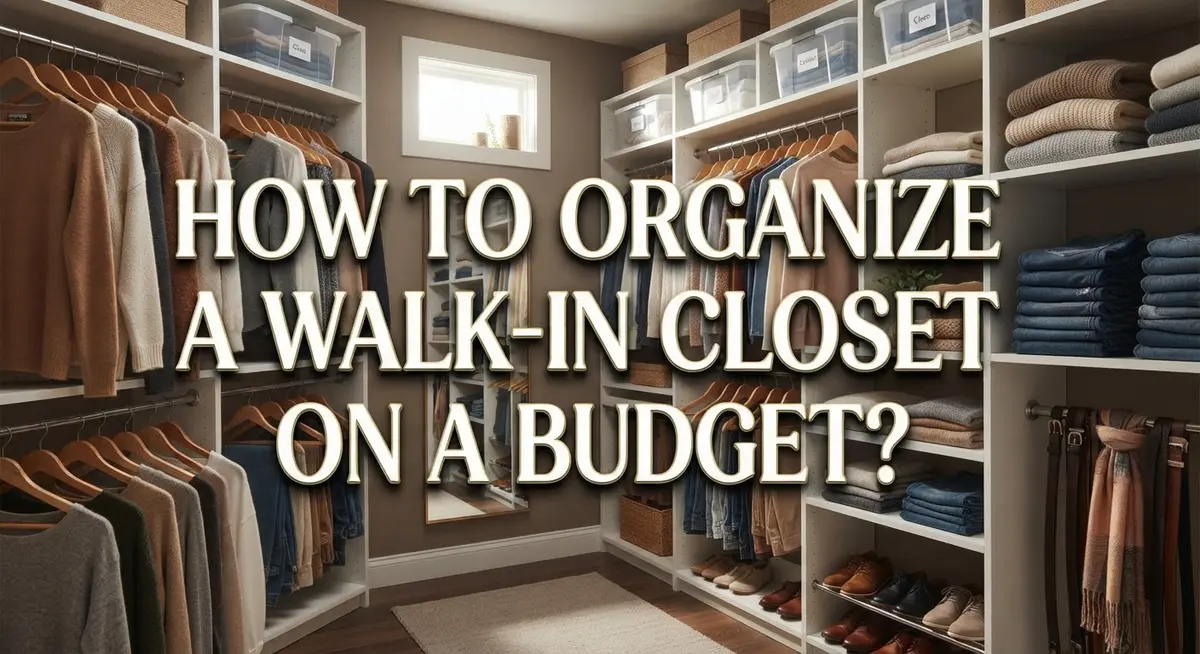
How to Organize a Walk-In Closet on a Budget?
Do you dream of a tidy walk-in closet but think it costs too much? Good news. You do not need a big budget to get organized.
You just need a smart plan and a little creativity. Most closets waste tons of vertical space. Many people also buy new bins and shelves before they even check what they already own.
This guide fixes both problems. We will show you how to maximize every inch of your closet without spending a fortune.
You will learn how to sketch a simple layout first. This step alone saves money and stress. We will cover shelves, rods, and drawers together.
You will also discover easy folding tricks that create more room instantly. Plus, we share tips on using hooks for extra hanging space.
Whether you have a tiny nook or a large walk-in, these steps work for you. We focus on using what you already have. Then we help you fill only the real gaps.
By the end, your closet will feel brand new. It will look neat, function well, and your wallet will thank you too.
In a Nutshell
Here is the quick summary for your budget closet makeover.
-
Look up first. Your walls have empty space near the ceiling. Add high shelves there for off season items you rarely touch.
-
Shop your own house. Grab baskets, jars, and bins from other rooms. You probably already own great organizers.
-
Sketch it out. Draw a simple map of your closet. Plan where shelves, rods, and drawers will go before you buy anything.
-
Give drawers a job. Decide which drawer holds socks, which holds tees, and which holds accessories. This stops the messy pile problem fast.
-
Fold with purpose. Try file folding for shirts and pants. Clothes stand up straight and you see everything at once.
-
Add cheap hooks. Install a few hooks on empty wall space. They hold bags, scarves, or robes without eating up rod space.
Follow these small, practical steps and your closet will feel calm and organized. Best part? You spend very little money to get there.
Assessing Your Closet Space and Needs
Before you buy anything, take time to understand what you actually have and what you truly need. This step saves money and prevents wasted purchases.
Start by measuring your closet space. Write down the width, height, and depth of each wall. Note where windows, doors, and light switches sit. This simple sketch becomes your planning tool.
Next, pull everything out of your closet. Yes, everything. Lay clothes on your bed or floor. This sounds dramatic, but it works. You see exactly what you own and spot duplicate items.
Sort your clothes into three piles: keep, donate, and sell. Be honest about what you actually wear. If you haven’t worn something in a year, it probably won’t change. Removing items you don’t love instantly makes your space feel bigger.
Count how many items need hanging space. Count how many need folding. Count shoes, belts, bags, and accessories. These numbers guide your layout decisions later.
Think about your daily routine. Do you grab outfits quickly? Then you need easy visibility. Do you prefer everything hidden? Then you need closed storage. Your lifestyle shapes how you organize.
Assess the condition of your existing closet. Look at your current rods, shelves, and drawers. What works well? What frustrates you? What could you remove or repurpose?
Finally, identify problem areas. Maybe shoes pile up. Maybe pants wrinkle easily. Maybe you can’t find accessories. Write these down. Your solutions will address these specific issues.
This assessment takes an hour but saves hundreds in unnecessary purchases. You now know your space, your inventory, and your needs. You’re ready to create a smart, budget friendly organization system that actually works for your life.
Sketching a Functional Layout Before You Organize
Before you buy a single organizer, grab a pencil and paper to sketch your closet layout. This simple step prevents wasted money and frustration later.
Start by measuring your closet width, depth, and height. Write these numbers down. Next, measure any existing shelves, rods, and drawers you already have. Understanding your actual space prevents costly mistakes.
Now think about what goes where. Hanging clothes need rod space. Folded items need shelves or drawers. Accessories like scarves and belts need small compartments. Sketch these zones on your paper using simple rectangles and lines.
Prioritize your drawer space first. Decide which drawer holds socks, which stores undergarments, and which keeps accessories. This planning prevents cramming everything into one drawer later. Your most used items should sit at eye level for easy access.
Consider your daily routine when planning. Do you grab jeans every morning? Place them near the entrance. Do you wear workout clothes several times a week? Give them dedicated shelf space. This functional approach saves time every single day.
Look at your vertical space carefully. Most closets waste the area above existing rods and shelves. Sketch where you could add extra shelves or hooks without spending much money. High storage works great for seasonal items or things you rarely use.
Mark problem areas on your sketch. Is one corner always messy? Does a shelf feel too crowded? Note these spots so you can address them during organization.
Keep your sketch simple and clear. You don’t need fancy drawings. Basic boxes and labels work perfectly. This sketch becomes your organization roadmap, keeping you focused and budget conscious throughout the entire project.
Step-by-Step: Sorting, Purging, and Categorizing Your Items
Now comes the fun part: sorting, purging, and categorizing. This step transforms your closet from chaotic to calm.
Start by removing everything from your closet. Yes, everything. Lay items on your bed or floor so you can see what you actually own. This sounds extreme, but it works because you cannot organize what you cannot see.
Create three distinct piles: keep, donate, and sell. Be honest with yourself. If you haven’t worn something in a year and it doesn’t fit, it goes. Ask yourself one simple question for each item: “Do I wear this? Do I love this?” If the answer is no to both, it leaves your closet.
Next, sort your keep pile by category. Group all shirts together, all pants together, all dresses together, and so on. This prevents you from having random clothes scattered everywhere later.
Within each category, organize by color or by frequency of use. Frequent wear items go in the most accessible spots. Seasonal clothes can live in harder to reach areas.
Count how many items need hanging versus folding. This number guides your layout decisions and tells you if you need more drawer space or more rods.
Don’t rush this step. Take breaks if needed. Many people spend two to four hours sorting a full closet, and that’s perfectly normal.
Once sorting is complete, you have a clear picture of what stays. You know your quantities. You understand your needs. This foundation makes the next organizing steps simple and effective. Your closet finally makes sense because you removed the clutter first.
Maximizing Vertical Space and Hidden Storage Areas
Vertical space is your secret weapon when organizing a walk-in closet on a budget. Most people focus only on what’s at eye level, but walls from floor to ceiling hold enormous potential.
Start by looking up. Install shelves or stackable units along the upper walls. These spaces work perfectly for seasonal items, extra blankets, or shoes you wear less often. You don’t need expensive systems. Simple wooden shelves or plastic stackable organizers do the job well.
Next, examine the walls themselves. Empty wall space becomes valuable real estate with a few affordable hooks or pegboards. Hang belts, scarves, and bags here instead of letting them take up drawer or shelf room. This approach keeps frequently used items visible and within reach.
Consider the back of your closet door. This often forgotten area can hold over the door organizers or simple hooks for jackets and robes. The door becomes functional storage without taking up floor space.
Don’t overlook corners and narrow gaps. Tall, slim shelving units fit perfectly in corners where regular furniture won’t work. These corners typically sit empty, but they’re ideal for storing shoes, folded sweaters, or accessories.
Think about under shelf baskets too. Slide them beneath existing shelves to create hidden storage without buying new furniture. These baskets hold items you need but don’t access daily.
Finally, measure before you install anything. A quick sketch shows exactly where shelves and hooks should go. This prevents wasted effort and ensures your vertical storage actually works with your daily routine. Vertical organization transforms a cramped closet into an efficient space without spending much money at all.
Smart Folding, Hanging, and Drawer Techniques
Folding and hanging your clothes the right way saves space and keeps items easy to find. The key is matching your storage method to each piece of clothing.
For hanging items, group similar pieces together. Put all your shirts on one section of the rod. Keep pants in another area. This makes getting dressed faster. Use cascading hangers to stack multiple pants vertically. This technique uses one rod space but holds five or six pairs.
Fold heavier items like sweaters and jeans. Folded clothes take less rod space and prevent stretching. Use the vertical fold method where you stand items upright in drawers. You can see every piece without digging through stacks.
Delicate items need special care. Hang silk blouses and dresses to prevent wrinkles. Fold lightweight knits to avoid hanger marks. Store seasonal pieces using the same logic as everyday clothes.
Drawer space requires smart planning. Assign one drawer to undergarments. Use another for socks and accessories. A third drawer works for folded basics like t-shirts. Dividers help keep categories separate without buying expensive organizers. You can use small boxes, fabric scraps, or cardboard pieces.
Create a rolling system for frequently worn items. Place your most used clothes at eye level. This reduces daily searching time. Keep rarely worn pieces higher or lower.
Hooks deserve attention too. Install them on closet walls for belts, scarves, and bags. This keeps these items visible and accessible. Don’t waste valuable shelf or rod space on items that work better on hooks.
The goal is making your closet work for you. Use combinations of hanging, folding, and drawer storage. This balanced approach maximizes your space while keeping everything organized and simple to maintain.
Tips for Organizing Small Walk-In Closets
Small walk-in closets need smart strategies to feel spacious and functional. The key is working with what you have before spending money on new organizers.
Start by assessing your current storage items. Look through your home for baskets, boxes, bins, and containers you already own. These free items can hold folded clothes, accessories, and seasonal pieces. Repurposing what you have saves money and reduces waste.
Next, focus on double duty solutions. A tension rod installed between two walls creates extra hanging space for scarves or belts. Adhesive hooks on walls cost very little and hold bags or hats without damaging surfaces. Floating shelves can sit on existing supports to add storage without major installation.
Use the space above your door frame. This area often goes unused but works perfectly for storing off-season items or rarely worn pieces. Just ensure items won’t fall when the door opens.
Vertical thinking saves horizontal space. Stack folded items in narrow columns rather than spreading them across shelves. This approach lets you fit more clothes in the same area. Label each stack so you find items quickly.
Consider your closet rod placement carefully. If your rod sits too high, you waste valuable space below. Lowering it slightly creates room for shelves underneath. This simple adjustment costs nothing but improves your storage capacity significantly.
Finally, keep pathways clear and organized. A cramped closet feels smaller than it actually is. Remove items you don’t use regularly. This creates breathing room and makes your small space feel more functional and less overwhelming.
Common Mistakes That Waste Space and Money
Many people make costly mistakes when organizing their walk-in closets. These errors drain both time and money, leaving you frustrated with your space.
Buying organizers before assessing your needs is the biggest budget killer. You purchase bins, shelves, and dividers without knowing what you actually need. Then you end up with unused items collecting dust. Instead, work with what you already own first. Check your home for baskets, boxes, and containers you can repurpose.
Ignoring vertical space wastes valuable real estate. Your walls go unused while you crowd horizontal surfaces. This forces you to buy more storage solutions than necessary. Look up and think about what empty wall space you can fill affordably.
Over purchasing duplicate organizers also drains your wallet. You buy multiple small bins when one larger container would work better. You grab several hooks when a few strategic ones would suffice. Before buying anything, count exactly what you need.
Not measuring your space leads to wasted money on items that don’t fit. You buy a shelf unit that’s too wide or too tall. The piece sits in your garage while you spend more on something else. Always measure twice before purchasing.
Failing to remove everything first creates confusion. You reorganize around items you should have donated or sold. This means your new system doesn’t work properly, and you buy more organizers to compensate.
Finally, skipping the sorting step costs the most. You organize clothes you’ll never wear, taking up precious space. Your closet feels cramped even after organizing. Sort ruthlessly before arranging anything.
These mistakes compound quickly. Avoid them by planning ahead, using what you have, and measuring carefully. Your budget and your closet will thank you.
Maintaining Your Organized Closet Over Time
Keeping your organized closet running smoothly takes consistent effort. The good news is that maintenance doesn’t require spending extra money.
Start with a weekly quick check. Spend 10 minutes putting items back in their designated spots. This prevents clutter from building up again. You’ll notice immediately when something is out of place.
Create a simple rule: one item in, one item out. When you buy new clothes, remove something you no longer wear. This keeps your closet from becoming overcrowded. Your organization system stays balanced without constant reorganizing.
Review your system every three months. Ask yourself what’s working and what isn’t. If certain sections feel cramped, shift items around. If some organizers sit empty, repurpose them elsewhere. Small adjustments keep everything functional.
Seasonal rotation matters too. When seasons change, swap out clothes accordingly. This naturally reduces clutter and gives you a fresh perspective on what you actually wear.
Handle donations regularly. Set aside a small box for items you haven’t touched in months. This keeps decision making manageable. Donate when the box gets full instead of waiting for a major purge.
Protect your investment in organization. Hooks, shelves, and rods last longer with basic care. Wipe down shelves monthly. Check that hooks remain secure. Ensure rods don’t sag under weight.
Label your storage areas clearly. Use simple markers or tags so everyone in your household knows where things belong. This prevents items from getting misplaced.
Finally, resist the urge to add new organizers. Stick with what you have. Your existing system works because you designed it to fit your budget and lifestyle. Consistency matters more than perfection.
Final Thoughts
Organizing a walk-in closet on a budget comes down to planning and creativity. You don’t need fancy organizers to create a functional space. Your existing items and some smart thinking will take you far.
Remember the core principles covered here. Vertical space matters more than most people realize. Sketching your layout before buying anything saves money and prevents mistakes.
Small closets benefit from focused strategies like door frame storage and careful rod placement. These simple changes make a real difference in how your space feels and functions.
Avoiding common mistakes protects your budget too. Skipping the sorting step or buying organizers without a plan wastes both money and time. Take things slow and assess before you spend.
A well organized closet needs upkeep to stay that way. Weekly checks and seasonal rotations keep clutter from creeping back in. Small consistent habits protect your hard work.
Your closet should reflect how you actually live and dress. There’s no single right way to organize a space. What works for one person might not work for another.
Start with what feels most urgent for your daily routine. Maybe that means tackling drawer space first or adding hooks for quick access items. Progress happens one step at a time.
Budget friendly organization is achievable with patience and clear thinking. Focus on function over appearance at first. A closet that works well will naturally look better too.
Give yourself permission to adjust your system as needed. What matters most is having a closet that saves you time and reduces morning stress. That goal is within reach for any budget.
Frequently Asked Questions
How do I organize a small walk-in closet with limited space?
Start by measuring your closet dimensions and sketching a simple layout. Focus on vertical storage since floor space is tight. Install shelves high up on walls to store folded items, off-season clothes, or accessories. Use the back wall and side walls fully. Hooks work great for belts, scarves, and bags. Double your hanging rod space by adding a second rod below the first one. Remove items you don’t wear to free up real estate.
What should I prioritize when organizing on a budget?
Assess what you actually own before buying anything new. Sort clothes into categories like work, casual, and formal. Allocate drawer space based on what you wear most. Keep frequently worn items at eye level for easy access. Store seasonal pieces higher up or in less accessible spots. Plan your layout first, then decide what organizers you truly need. This prevents wasting money on items that don’t fit your actual needs.
Can I use items I already have instead of buying organizers?
Absolutely. Boxes, bins, and baskets from around your home work perfectly for storage. Mason jars hold small accessories like buttons or jewelry. Tension rods create extra hanging space between shelves. Hooks on the closet door hold scarves, bags, or lightweight items. Magazine holders store folded sweaters vertically. Old wire shelving can be repurposed. Get creative with what you own before spending money on new products.
How often should I reorganize my closet?
Check your system monthly with a quick 10 minute reset. Review what’s working every three months and adjust as needed. Rotate seasonal items twice yearly. Donate clothes regularly to prevent clutter from building up. Small maintenance prevents the closet from becoming chaotic again.

Phil is the founder and creative mind behind Aesthetic Space Finds, a home decor enthusiast dedicated to helping people transform their living spaces through honest product reviews, in-depth comparisons, and expert buying guides. With a keen eye for design and a passion for discovering hidden gems in the world of home accessories, Phil curates content that makes stylish, functional living accessible to everyone.


