
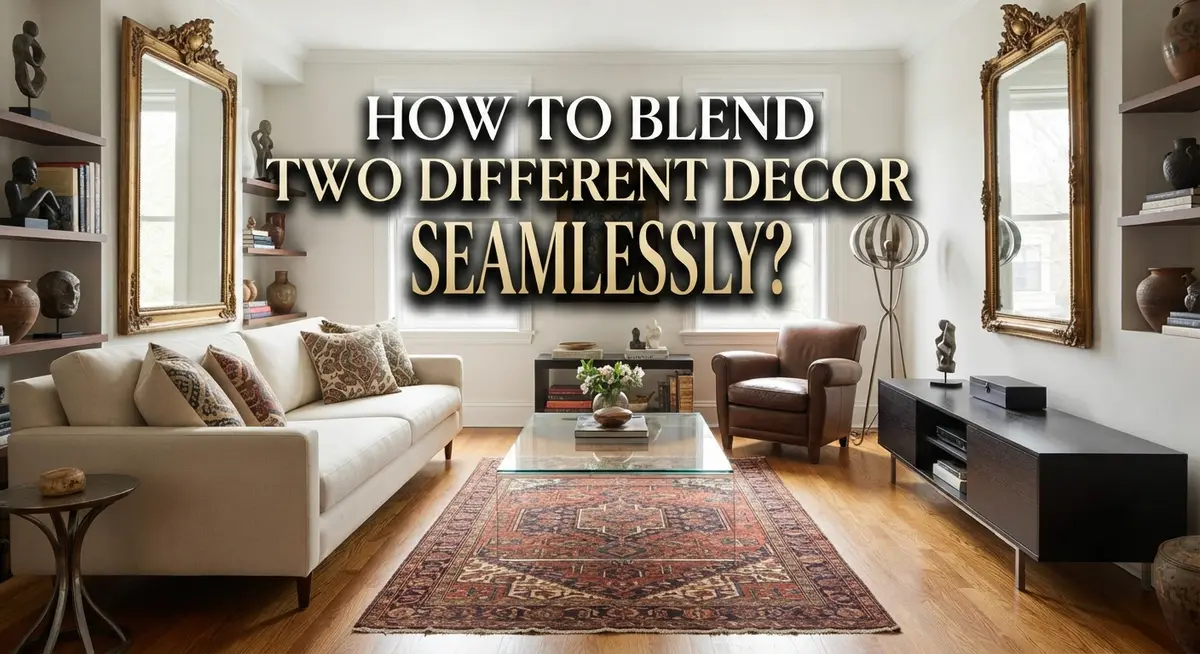
How to Blend Two Different Decor Styles Seamlessly?
Do you love farmhouse charm but also crave modern lines? You are not alone. Many people fall for two decor styles at once and struggle to pick just one.
The good news? You don’t have to choose. Blending two decor styles is easier than it sounds. With a few smart tricks, you can create a space that feels balanced and intentional.
This guide walks you through the whole process. You will learn how to identify your core styles and find what they share in common. We will cover choosing a unifying color palette that ties everything together.
You will also discover the right order for decorating. Furniture comes first. Accessories come later.
Along the way, we will point out common mistakes to avoid. Clustering too many similar items together throws off the balance of a room. Ignoring how you actually use the space can hurt function too.
By the end, you will know how to mix styles like a pro. Your home will feel curated, not chaotic. Let’s get started on creating a space that truly reflects who you are.
In a Nutshell
Blending two decor styles gets easy when you follow a few simple rules. Here is a quick summary to keep handy.
-
Pick two, maybe three styles. Too many styles create a messy look. Two or three keep your space balanced and clear.
-
Find what they share. Look past the surface. Two styles often share values like comfort or simplicity, even if they look different.
-
Choose one unifying color palette. A shared color scheme ties everything together. It makes different furniture pieces feel like they belong.
-
Let one style lead. Pick a dominant style and let the other style play a supporting role. This creates balance, not chaos.
-
Place furniture before accessories. Start with your big pieces first. Add smaller decor items last, once the layout feels right.
-
Spread styles evenly. Do not group all pieces of one style in a single corner. Distribute them across the whole room.
-
Avoid clashing colors and forgotten function. A room should look good and still work well for daily life.
Understanding Decor Styles and Why Blending Works
Different decor styles exist because people have different needs and tastes. Some styles focus on clean lines and simplicity. Others celebrate ornament and warmth. Understanding why these styles exist helps you blend them successfully.
Each style has core values underneath its appearance. Modern design values function and minimalism. Farmhouse style values comfort and authenticity. Industrial style values raw materials and honest construction. When you look deeper than just how things look, you find common ground.
Blending works because many styles share practical goals. Both modern and farmhouse styles want rooms that function well. Both want spaces that feel comfortable to live in. Both prioritize quality over clutter. These shared values become your foundation for mixing styles together.
The visual differences between styles matter less than you think. A sleek modern lamp and a vintage farmhouse table both serve the same purpose. They light a room or hold objects. The style is just the visual wrapper around that function. This is why blending becomes possible.
Limiting yourself to two or three styles keeps your space balanced. Too many styles create visual chaos. Your brain cannot process five different design languages at once. Two styles give you enough variety to feel interesting without becoming overwhelming.
Success happens when you stop seeing styles as enemies. Instead, view them as tools in your decorating toolkit. Modern tools work well with farmhouse tools because they solve similar problems. Your job is finding the overlaps and emphasizing them.
The best blended spaces feel intentional, not accidental. They show that someone made thoughtful choices. You picked these two styles on purpose. You understood what each brings to your home. This intentionality is what separates beautiful blended rooms from confused ones.
Step 1: Identify Your Core Styles and Find Common Ground
Start by naming the two styles you want to blend. Are you mixing industrial with cozy? Modern with traditional? Write them down. This clarity helps you stay focused as you decorate.
Next, look deeper than just how things look. Find the shared values between your styles. Modern design values clean lines and function. Farmhouse style values comfort and authenticity. Both care about spaces that work well and feel inviting. That’s your common ground.
Ask yourself practical questions. What do you need from this room? Do you work from home? Do you host gatherings? Do you need storage? Both styles should serve your actual life. A modern minimalist approach and a farmhouse style both respect storage solutions and organized spaces.
Study color palettes for each style you chose. Modern often uses grays, blacks, and whites with bold accent colors. Farmhouse typically features warm creams, soft whites, and earth tones. Look for overlap. Neutral colors like white, gray, and beige work in both styles. This becomes your bridge.
Think about texture and materials too. Modern embraces metal, glass, and smooth surfaces. Farmhouse loves wood, natural fabrics, and worn finishes. Wood appears in both styles. Metal accents work in farmhouse spaces. These overlaps give you flexibility.
Finally, decide which style feels more important to you. Will modern be your main style with farmhouse touches? Or the other way around? This choice prevents confusion later when you pick furniture and accessories.
The goal here is simple: you are building a foundation. You understand your styles. You see what they share. You know your color direction. You have identified your dominant style. This prep work makes every decision that follows much easier. You will avoid impulse choices that clash with your vision.
Step 2: Choose a Unifying Color Palette
A unifying color palette acts as the glue that holds your two styles together. This means picking colors that work well with both styles you’ve chosen. The right palette makes everything feel intentional rather than random.
Start by looking at the natural colors in each style. Modern design often uses whites, grays, and blacks. Farmhouse style tends toward warm creams, soft whites, and earth tones. Notice where these overlap. Neutral shades like beige, soft gray, and warm white appear in both styles. These become your foundation colors.
Choose two or three main colors that feel comfortable in both style worlds. If one style loves deep navy and the other prefers warm taupe, pick a shade that bridges them. Perhaps a soft gray works as your primary wall color. This gives both styles equal footing in your room.
Limit your accent colors to two additional shades. These accents should appear in both styles you’re blending. For example, if you’re mixing industrial and coastal styles, both often use natural wood tones and soft blues. Make these your accent colors throughout the room.
Think about where these colors will live. Your walls need a neutral base that suits both styles. Furniture pieces should follow your main color scheme. Accessories and smaller items can introduce your accent colors more boldly.
Test your palette before committing. Gather paint samples, fabric swatches, and photos of items you plan to use. Live with these colors together for a few days. Notice how they feel in different lighting throughout your room.
A cohesive color story prevents your blended space from feeling chaotic. When colors repeat and relate to each other, both styles feel like they belong together. Your room tells one unified story rather than two competing ones.
Step 3: Place Furniture Before Accessories
Furniture placement is where your blended style actually takes shape. Your big pieces set the stage for everything else. Start by positioning your sofa, bed, dining table, or other major items first. These pieces anchor your room and determine how the space flows.
When you place furniture, think about function before style. A modern sectional and a vintage armchair need to work together practically. They should face each other comfortably. They should leave enough walking space. They should support how you actually use the room.
Here’s the key strategy: distribute your two styles across different furniture pieces. Don’t put all modern pieces on one side and all vintage pieces on the other. This creates visual imbalance. Instead, mix them throughout the room. Your sofa might be modern while your side table is farmhouse. Your bed frame could be industrial while your nightstands feel traditional.
Pay attention to scale and proportion. A small vintage chair looks lost next to an oversized modern sofa. A delicate antique desk overwhelms in a room with chunky contemporary furniture. Make sure your pieces work together in size. This helps both styles feel intentional rather than random.
Leave space for accessories later. Your furniture should fill about 60 to 70 percent of your room. This gives you breathing room to add smaller items that bridge your two styles. Too much furniture packed in makes blending harder.
Test your layout before committing. Move pieces around if needed. Stand back and look at how each style element sits in the room. Does one style dominate too much in one corner? Adjust it. Your furniture arrangement should feel balanced from every angle. When your big pieces are placed thoughtfully, adding accessories becomes simple. You’ll know exactly where style gaps need filling.
Step 4: Distribute Style Elements Evenly Across the Room
Now that your furniture is in place, it’s time to spread your two styles throughout the room. This step prevents one style from dominating one corner while the other hides in the shadows.
Start by dividing your room into zones. Think of your space as having a left side, center, and right side. Assign style elements to different zones so each area has a mix. If modern pieces live on your left wall, add vintage or farmhouse touches to your right wall. This creates visual balance.
Place accent pieces strategically across the room. A modern geometric rug works well in one area. A rustic wooden shelf fits nicely in another. When you scatter elements throughout, your eye travels around the entire space instead of getting stuck in one spot.
Pay attention to heights and levels too. Don’t put all your tall pieces in one corner. Mix high and low items across the room. A tall modern bookcase on one side balances with a vintage floor lamp on the other side. This variation keeps things interesting.
Think about focal points in each zone. Your bedroom might have a modern headboard as the main focus on one wall, while a vintage mirror becomes the focal point on another wall. Each area gets attention without overwhelming the space.
Repeat your key colors and textures as you move around the room. If you used a specific wood tone on furniture in one area, echo that same tone with accessories elsewhere. If a blue accent color appears on one side, bring it back on the opposite side.
The goal is simple: create a conversation between your two styles across the entire room. When elements are spread evenly, your blended space feels intentional and complete. Nothing feels forgotten or out of place. Your room tells a unified story from every angle.
Tips for Balancing a Dominant Style with Complementary Accents
When you have a dominant style and complementary accents, balance becomes your main focus. One style should take up about 60 to 70 percent of your room, while the other fills in the remaining space with strategic touches.
Start by deciding which style feels most important to you. This becomes your anchor. Your dominant style should appear in your largest furniture pieces, your wall color, and your main flooring elements. This creates a strong visual foundation that feels intentional and grounded.
Your complementary style works best through accessories and smaller furniture pieces. Think throw pillows, artwork, decorative objects, and accent chairs. These items let you introduce the secondary style without overwhelming the space. The key is restraint. You want visitors to notice both styles, not feel confused by competing aesthetics.
Place complementary accents in different zones of your room. If you add a modern accent chair in one corner, place a vintage mirror or artwork in another area. This distribution prevents your secondary style from looking like an afterthought clustered in one spot.
Repeat your complementary style elements at least three times throughout the room. This repetition creates rhythm and makes the blended design feel deliberate. Your eye should travel naturally from one complementary piece to another without jarring transitions.
Watch your color palette closely. Your dominant style’s colors should appear more frequently. Your complementary style’s colors show up occasionally through accents. This color distribution reinforces which style leads and which one supports.
Pay attention to scale too. Large complementary pieces can compete with your dominant style. Keep secondary style furniture smaller and more subtle. Save bold statements for your dominant style’s main pieces.
Finally, step back regularly and assess the balance. Does one style dominate without looking boring? Does the complementary style add interest without creating visual chaos? Adjust as needed until the space feels harmonious and intentional.
Common Mistakes to Avoid When Mixing Styles
One major mistake is clustering too many items from one style in a single area. When you group all modern pieces on one side and all vintage pieces on the other, your room feels divided instead of unified. Spread your styles throughout the entire space to create visual balance.
Another common error is ignoring how your two styles actually function together. You might love the look of both styles, but they need to work for your daily life. A minimalist style values open space, while a maximalist style embraces fullness. Forcing these together without considering function creates frustration, not beauty.
Many people also make the mistake of using incompatible color schemes. If one style uses warm earth tones and the other uses cool grays, the clash creates visual tension. Your colors should have a conversation, not a conflict. Choose colors that both styles can share before adding anything to your room.
Overcomplicating your blend is another trap. Adding more than two or three styles at once makes your space feel chaotic and confused. Stick to your two main styles and resist the urge to add a third or fourth direction.
People often place accessories before furniture, which leads to poor distribution. Accessories are small and easy to move, so they end up clustering together. Start with furniture placement first. This gives you a solid foundation and helps you see where accessories should actually go.
Finally, avoid skipping the testing phase. Don’t commit to your full vision without checking how pieces actually look together in your space. Lighting, scale, and proportion matter more than you think. Take time to see your blend in action before finalizing everything.
Final Thoughts
Blending two decor styles takes practice, but it’s not hard once you know the steps.
Start simple. Pick your two styles. Find what connects them, whether it’s color, material, or mood.
A neutral base helps both styles feel at home. It gives your room breathing room to mix patterns and textures without chaos.
Furniture comes first, always. Once your pieces are placed, everything else falls into place more easily. Accessories should support your layout, not lead it.
Remember to spread your styles evenly. Clustering one style in a single corner breaks the balance you’re trying to create.
Let one style lead and the other complement it. This creates harmony instead of competition between two strong looks.
Function matters just as much as looks. A beautiful room that doesn’t work for daily life will frustrate you over time.
Color ties everything together. Choose a palette that works for both styles, then repeat it throughout the space.
Don’t rush this process. Test your layout. Live with it for a few days before making it permanent.
Mistakes happen, and that’s okay. Adjust as you go. Trust your eye and your comfort level in the space.
Blending styles is personal. There’s no single right answer, only what feels balanced and true to you.
Take small steps. Move one piece, swap one accessory, and watch your room transform gradually.
The goal isn’t perfection. It’s a space that feels layered, welcoming, and uniquely yours.
With patience and attention to detail, your two styles won’t just coexist. They’ll work together beautifully, creating a home that tells your story through every corner and every choice you make.
Frequently Asked Questions
Can I blend more than two styles together?
You can technically blend three styles, but two works best. More than three styles creates visual chaos. Your room loses focus when too many design languages compete for attention. Stick with your primary style plus one or two complementary ones. This keeps your space feeling intentional and calm.
How do I know if my two styles actually work together?
Look for shared values between them. Do both styles prioritize clean lines? Do they share similar color families? Styles don’t need to look identical. They just need to respect each other’s core principles. For example, modern and industrial both value function over decoration. That common ground makes them natural partners.
What should I do if one style keeps dominating the room?
Spread your complementary style throughout the entire space. Don’t cluster all pieces from one style in one corner. Place items from your secondary style in at least three different zones. This creates visual balance and prevents one style from overwhelming the other. Your eye travels around the room instead of getting stuck in one area.
Should I choose my color palette before or after picking furniture?
Choose your color palette first. Colors act as the glue holding both styles together. Pick two or three colors that work for both styles. Then select furniture that fits this palette. This approach ensures your pieces feel connected even when they come from different design worlds.
What’s the fastest way to test if my blend works?
Use smaller accessories first. Try pillows, rugs, and artwork before committing to large furniture pieces. This lets you see how styles interact without major investment. Step back regularly and observe the overall effect. If something feels off, you can swap it out easily.

Phil is the founder and creative mind behind Aesthetic Space Finds, a home decor enthusiast dedicated to helping people transform their living spaces through honest product reviews, in-depth comparisons, and expert buying guides. With a keen eye for design and a passion for discovering hidden gems in the world of home accessories, Phil curates content that makes stylish, functional living accessible to everyone.


